A fragile balance: the global wheat outlook for 2026
Drought in three producing regions, tightening exports and a policy shift in India converge on a market with little slack.
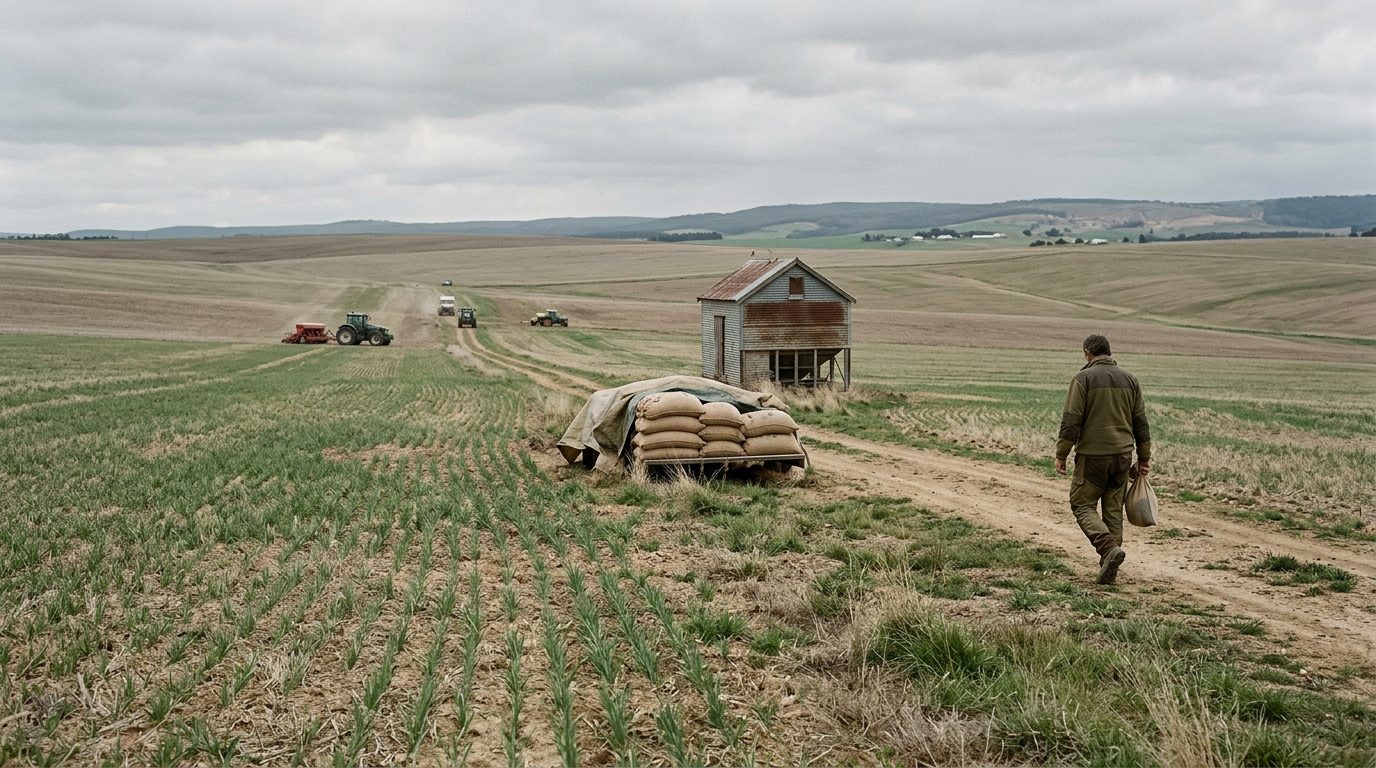
Global wheat markets enter 2026 with less resilience than at any point in the past decade. Analysts at three major agencies now expect stocks-to-use ratios to fall below the ten-year average, driven by a combination of prolonged drought across the Black Sea region, monsoon variability in South Asia, and a series of policy interventions restricting exports.
"We are watching a market with very little slack," said one commodity strategist. "Any additional shock will translate almost directly into price."
The pressure is not distributed evenly. Import-dependent countries in North Africa and the Middle East face the greatest exposure, while temperate producers in North America and Northern Europe may benefit from higher farmgate prices — assuming yields hold.
The deeper story, however, is structural. Two decades of consolidation in global grain trading have left the market reliant on a small number of corridors. When any one is disrupted, the effects cascade quickly. Food Observatory's analysis of thirty years of trade data suggests the system is now measurably more brittle than in the early 2000s.
What happens next depends on decisions in national capitals as much as in fields.
The Food Observatory Brief
Weekly briefing on food systems, climate, agriculture and policy — straight to your inbox.
More on Markets
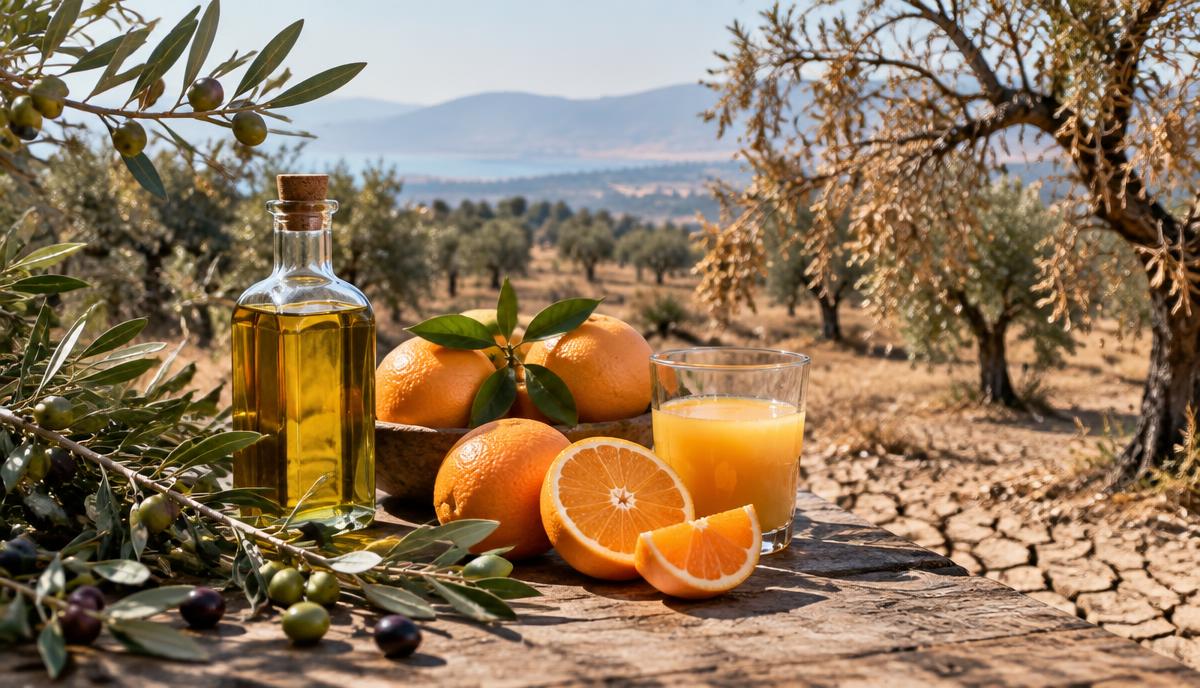
Olive Oil, Orange Juice and the New Climate Price Shock
Crops concentrated in one or two climate-exposed regions now follow a boom and bust pattern, with heat, drought and disease compounding the swings. This piece looks at olive oil, orange juice and vanilla, explains why prices fall back but not to old levels, and asks who carries the risk when hedging is thin.
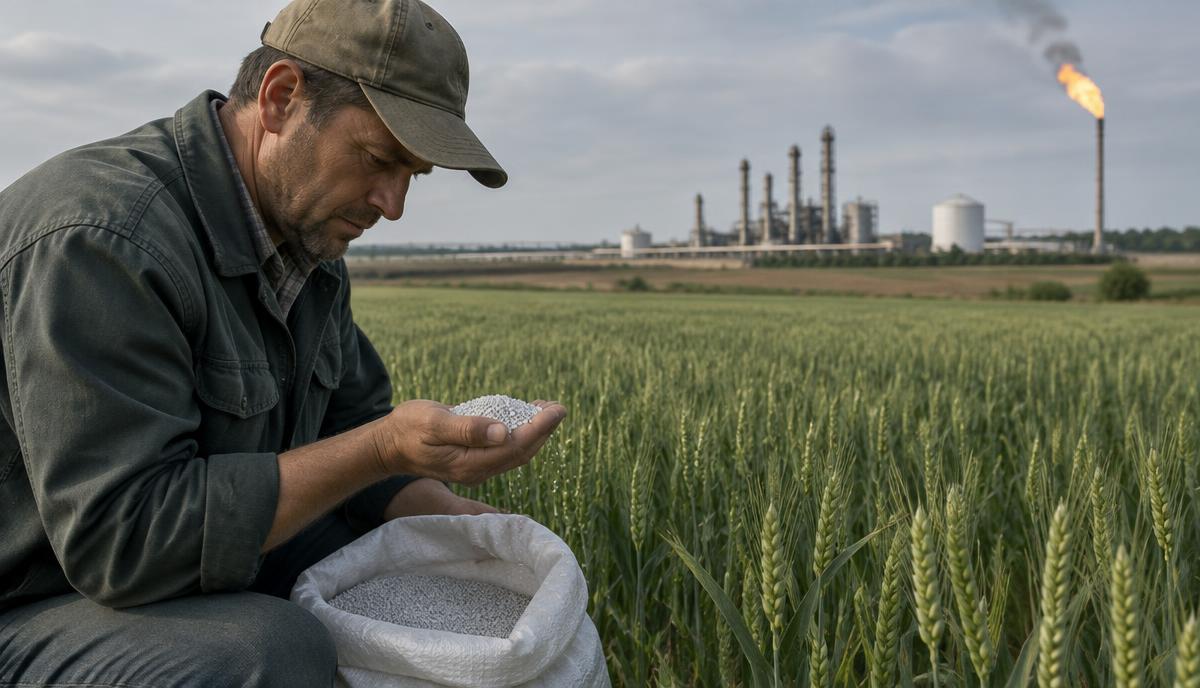
Fertilizer Prices Are the Hidden Driver of Food Inflation
Fertilizer is made from natural gas and from potash and phosphate controlled by a handful of exporters, so its price follows energy and trade policy more than crop demand. This piece argues that fertilizer affordability, not only grain prices, sets farmers' planting decisions and next season's food prices, and looks at what India, Africa and efficiency measures change.

GLP-1 Drugs Are Starting to Change What the Food Industry Sells
Semaglutide and tirzepatide are changing grocery baskets, restaurant portions and product launches in the United States. This piece argues that the food industry is facing its first pharmacological shift in appetite, traces the consequences for protein, fibre, portion size and the commodities behind them, and sets out why it will not become a universal change.