A fragile balance: the global wheat outlook for 2026
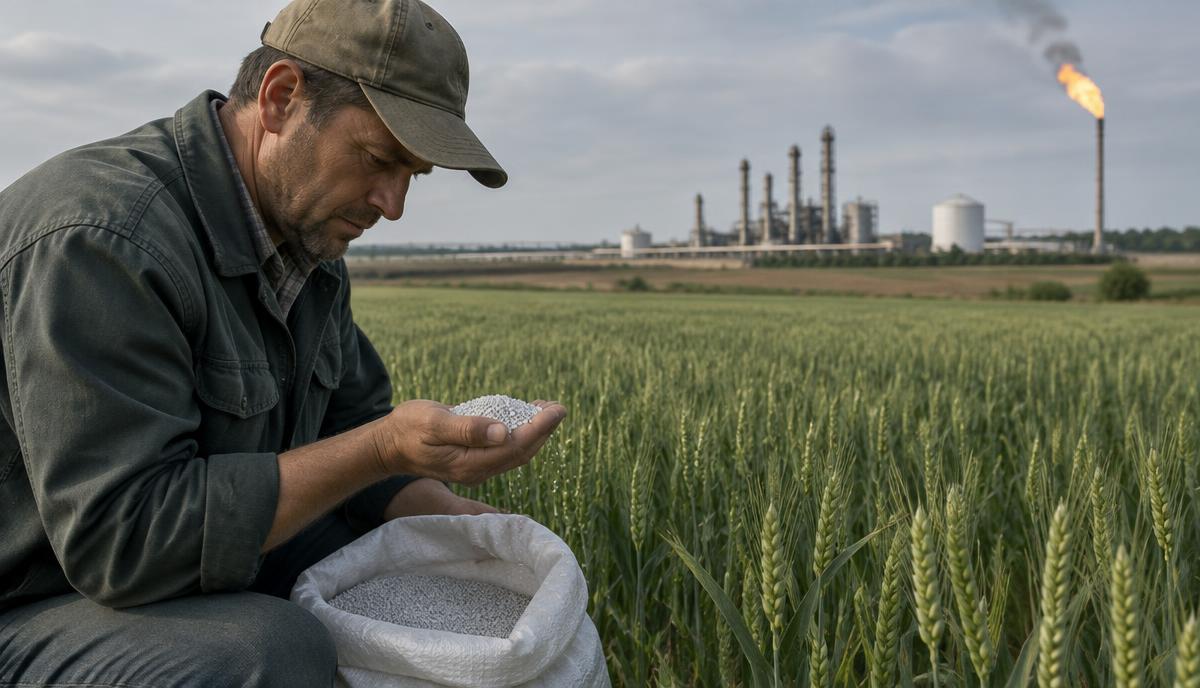
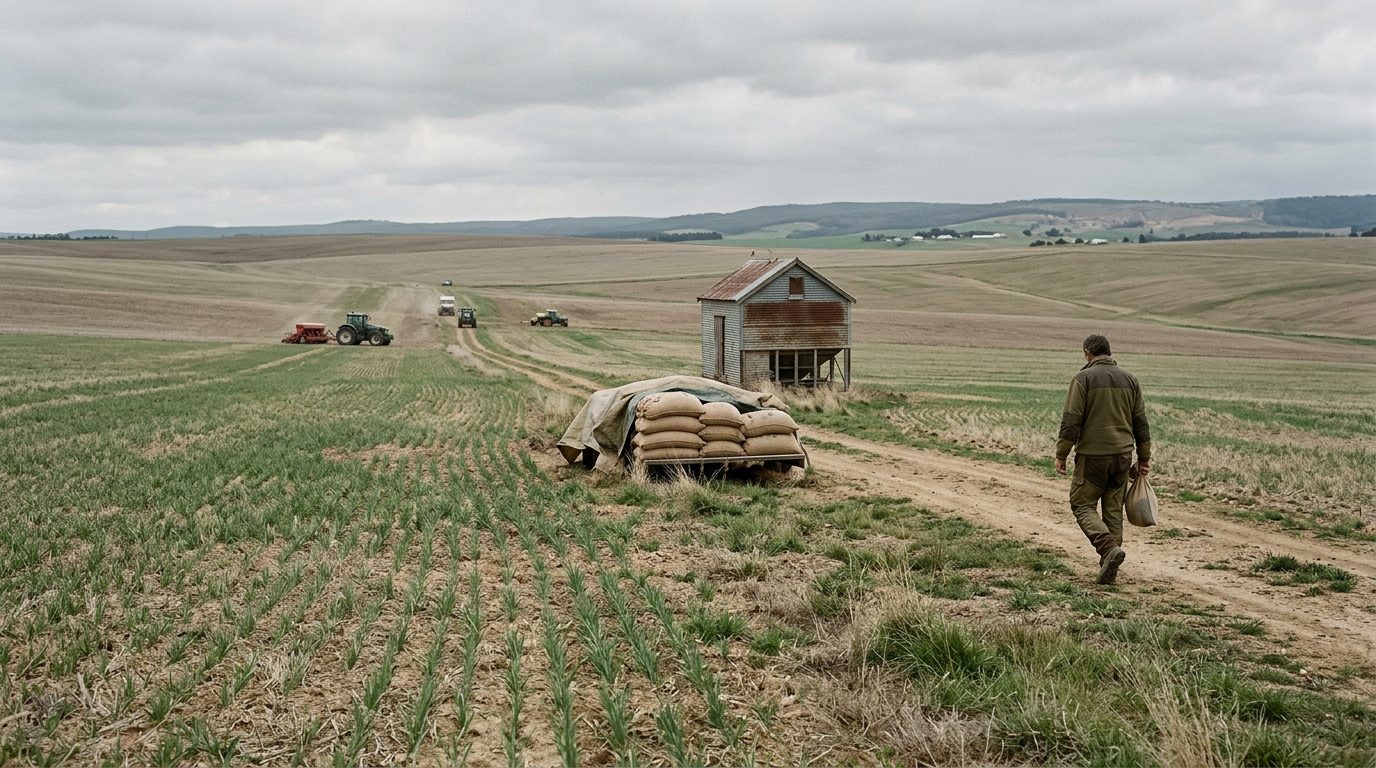
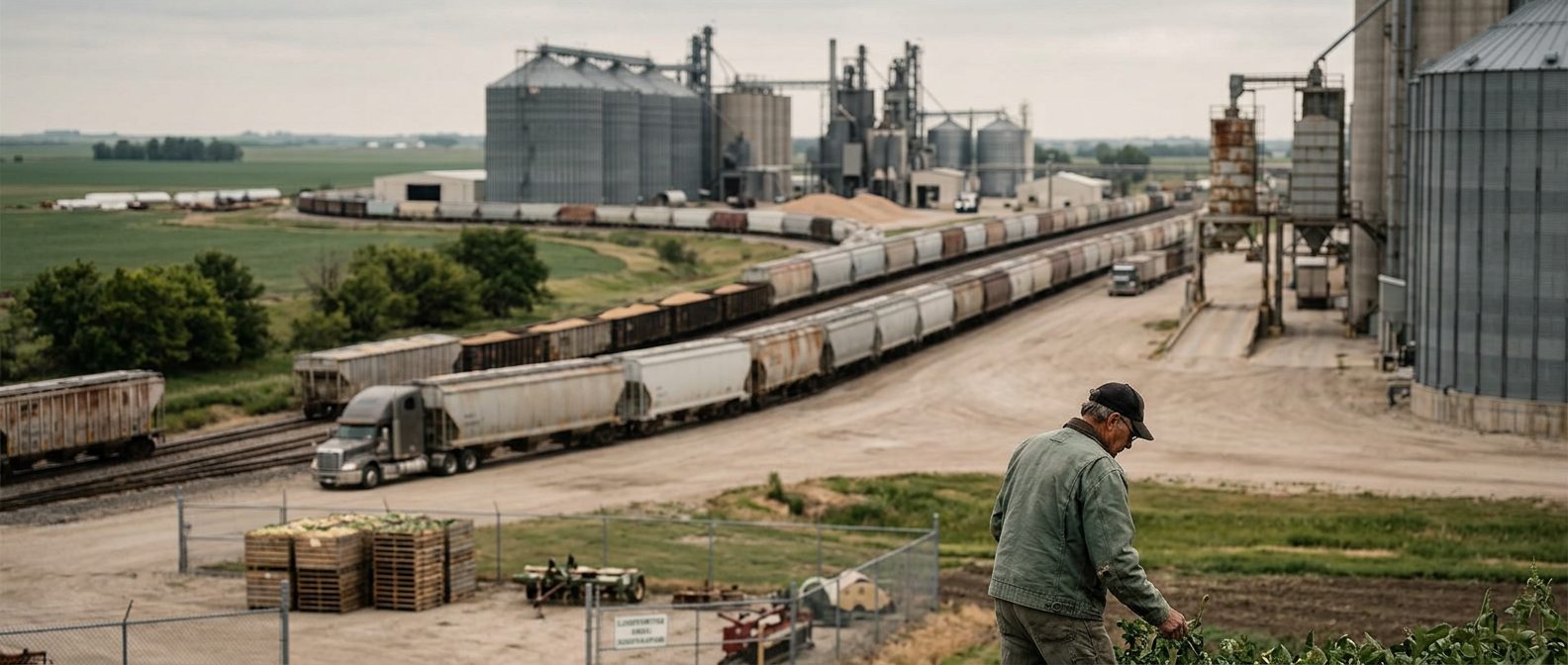
A confluence of weather shocks, protectionist policy and thin stockpiles is reshaping expectations for the coming wheat year.
Commodities, trade and price signals.

A confluence of weather shocks, protectionist policy and thin stockpiles is reshaping expectations for the coming wheat year.

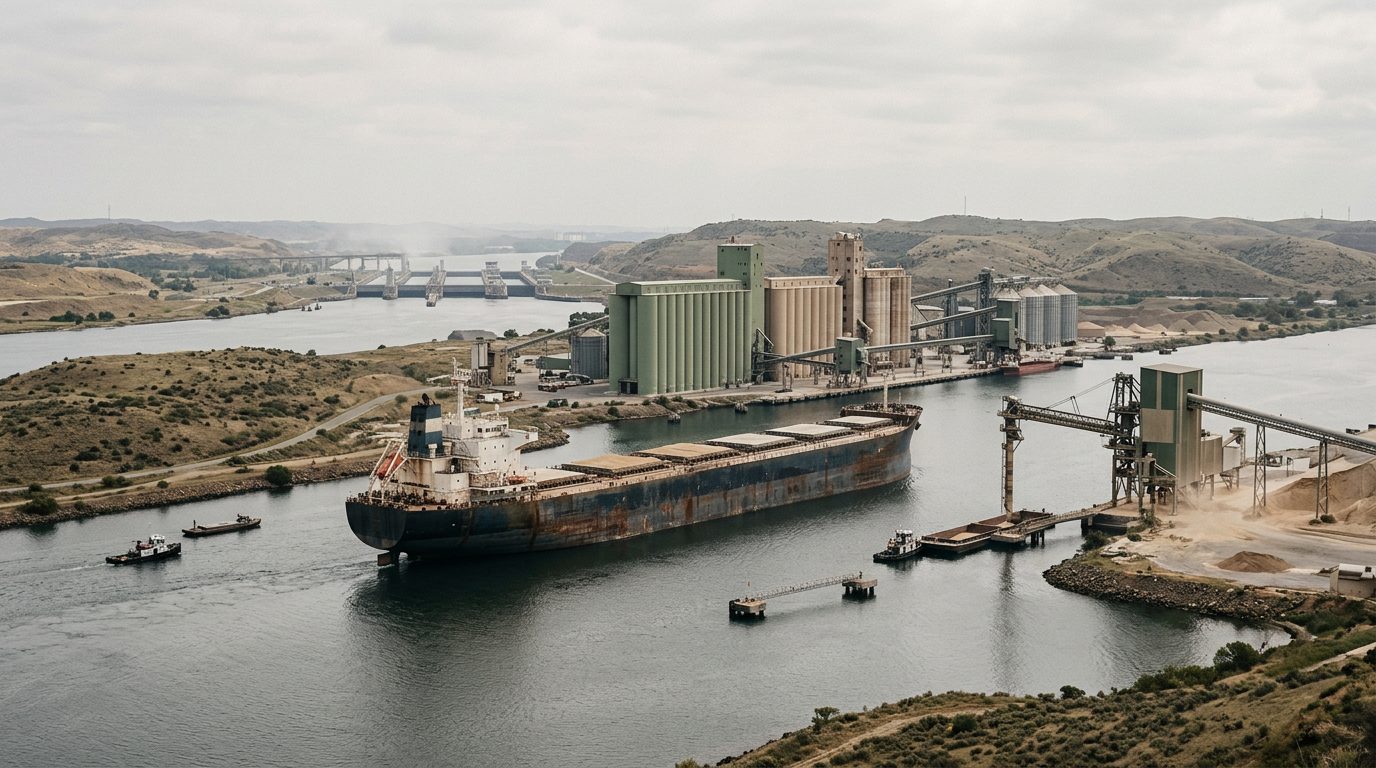
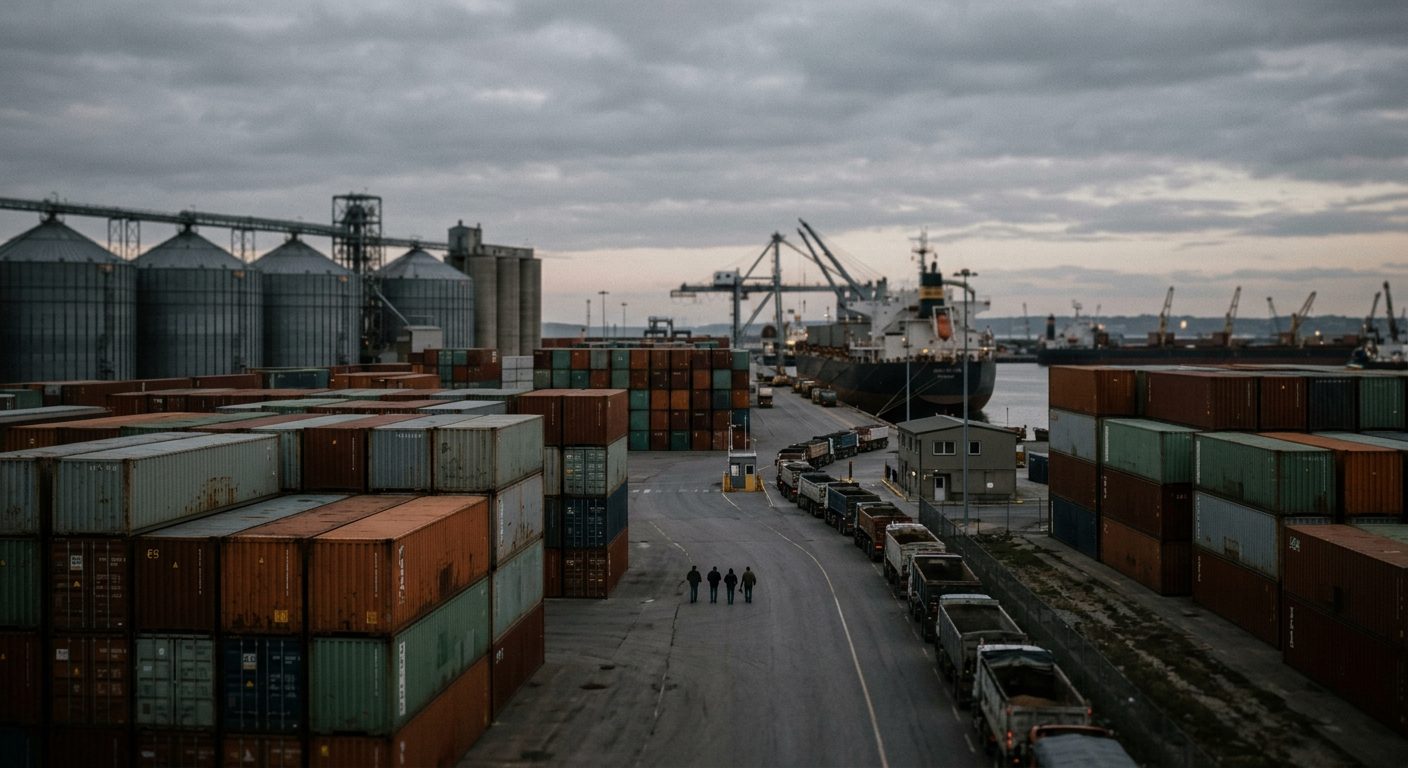
Six waterways move most of the world's grain. Each is now under pressure — and each has a story.

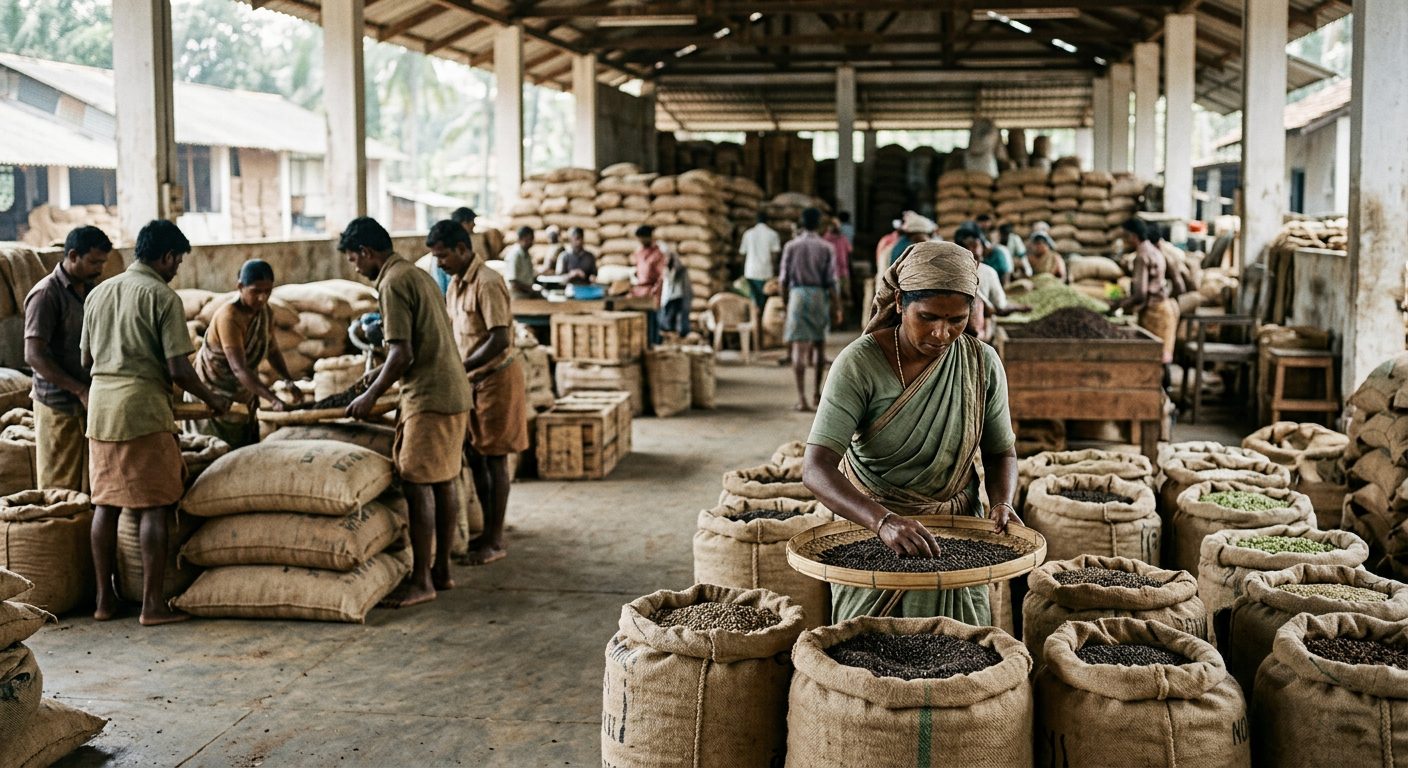
From Kerala to Kampala, producers are testing new arrangements as importers demand traceability.

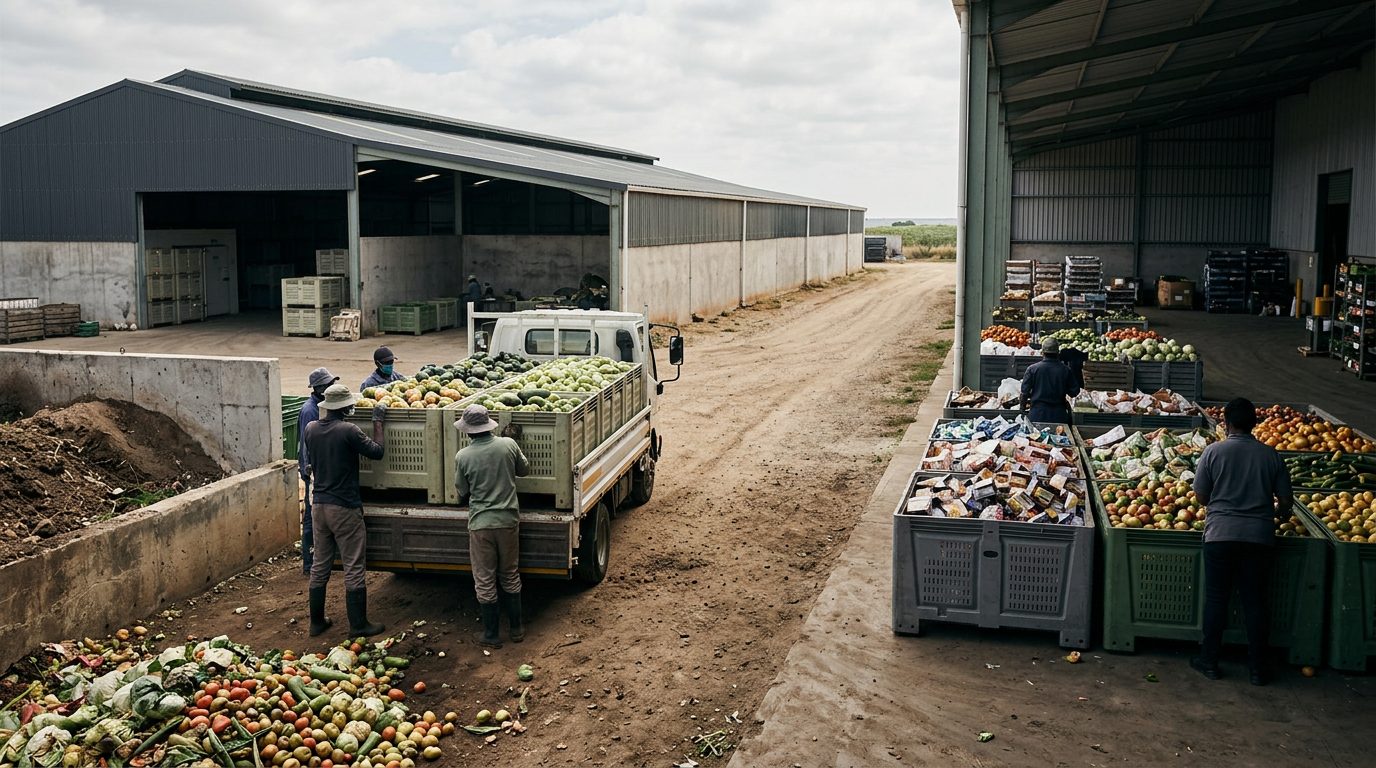
Food loss and waste follow starkly different patterns by income level, concentrated in production and storage in developing countries and in retail and consumer behavior in wealthy ones. This piece explains why prevention has stayed more expensive than waste for most of the businesses in the chain, and which interventions are actually shifting that incentive.

Consumer choice in the supermarket aisle operates inside boundaries set well upstream by concentrated grain traders, meatpackers, retailers, and increasingly, institutional landowners. This piece maps the actual power structure behind what ends up on people's plates, and where cooperatives and regulation still offer a counterweight.

When India restricted non-basmati rice exports in 2023, it removed roughly two-fifths of global rice trade from the market and sent prices to decade highs. This piece traces that episode and the broader pattern since Russia's invasion of Ukraine of exporting nations retreating from global markets exactly when importing nations need them most.

Groceries are cheaper today, adjusted for inflation, than they were decades ago, but that price never reflected the real cost of producing them. This piece unpacks FAO's attempt to quantify the hidden health, environmental, and labor costs baked into the modern food system, and who ends up paying them instead of the consumer at checkout.

From cocoa's West African bottleneck to Egypt's newly strategic wheat reserves, food executives and agriculture ministers are rethinking decades of globalization logic. This piece examines the industry-wide pivot toward regionalized and nearshored food supply chains, and what that shift costs in efficiency against what it buys in resilience.

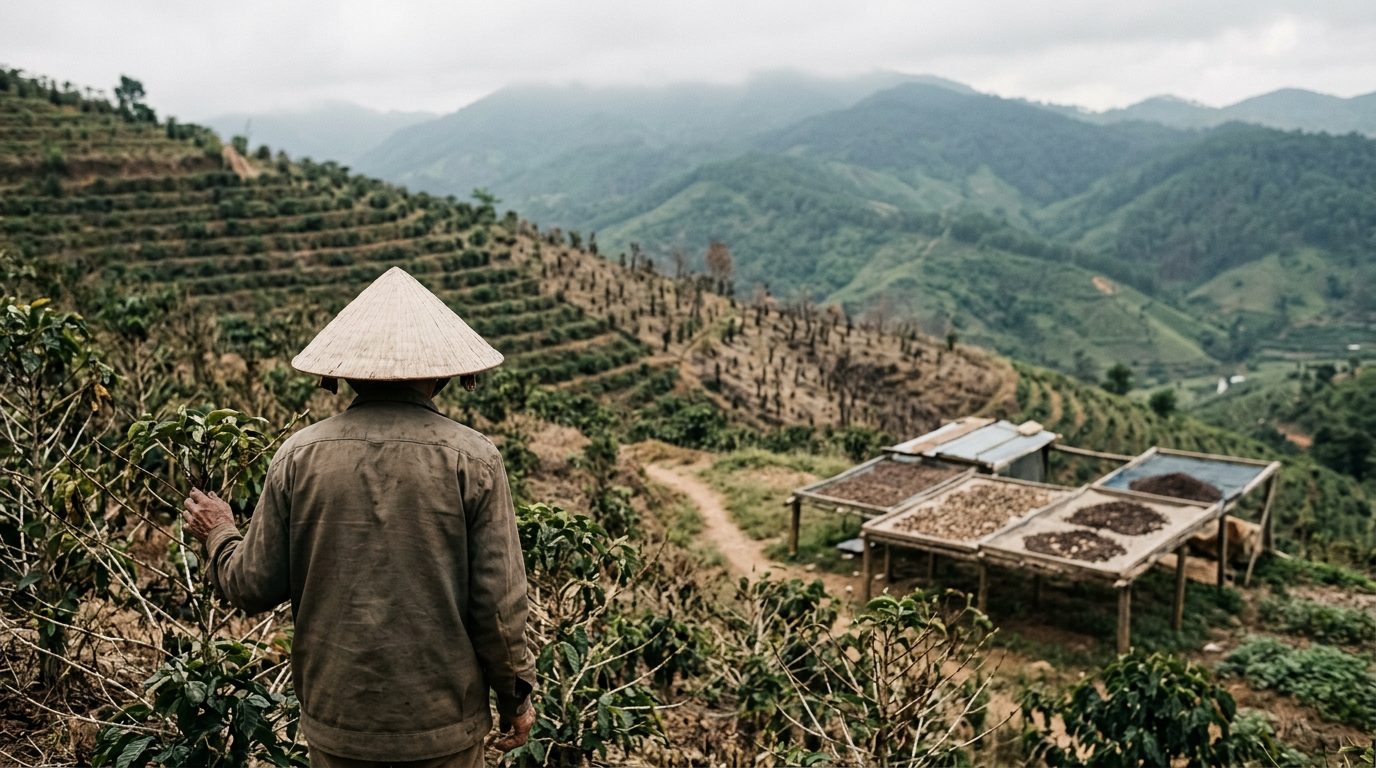
Coffee futures crossed $4.30 a pound in 2025, more than double their level two years earlier, after back-to-back harvest failures in Brazil and Vietnam. This piece looks past the immediate price spike to the slower structural problem underneath it: the shrinking window of climate conditions in which arabica and robusta can reliably grow.

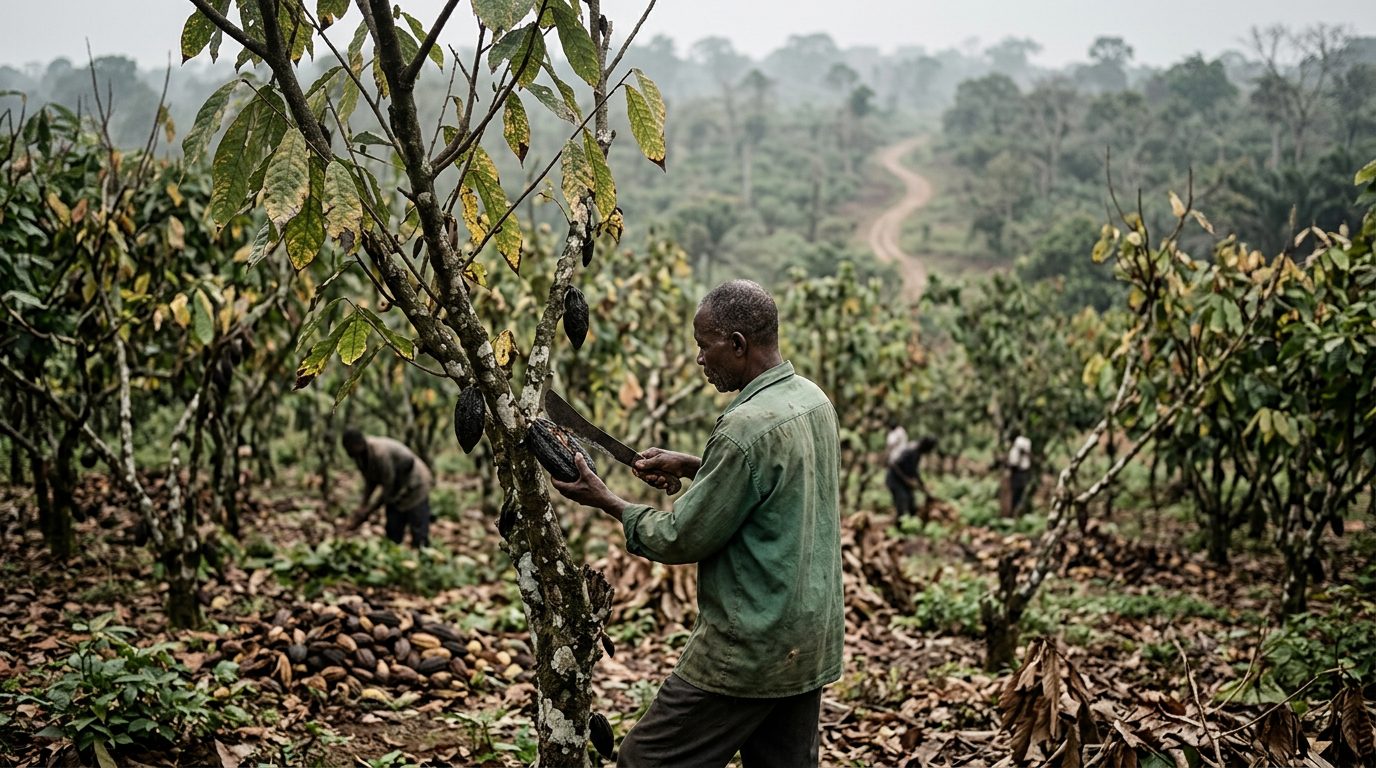
Cocoa futures spiked to four times their historical level within two years, driven by disease-ridden aging trees, thin farmer margins, and a financial market too small to absorb its own hedging flows. This piece traces the collapse of West Africa's cocoa supply and what it revealed about the fragility of global commodity markets built on dangerously concentrated production.

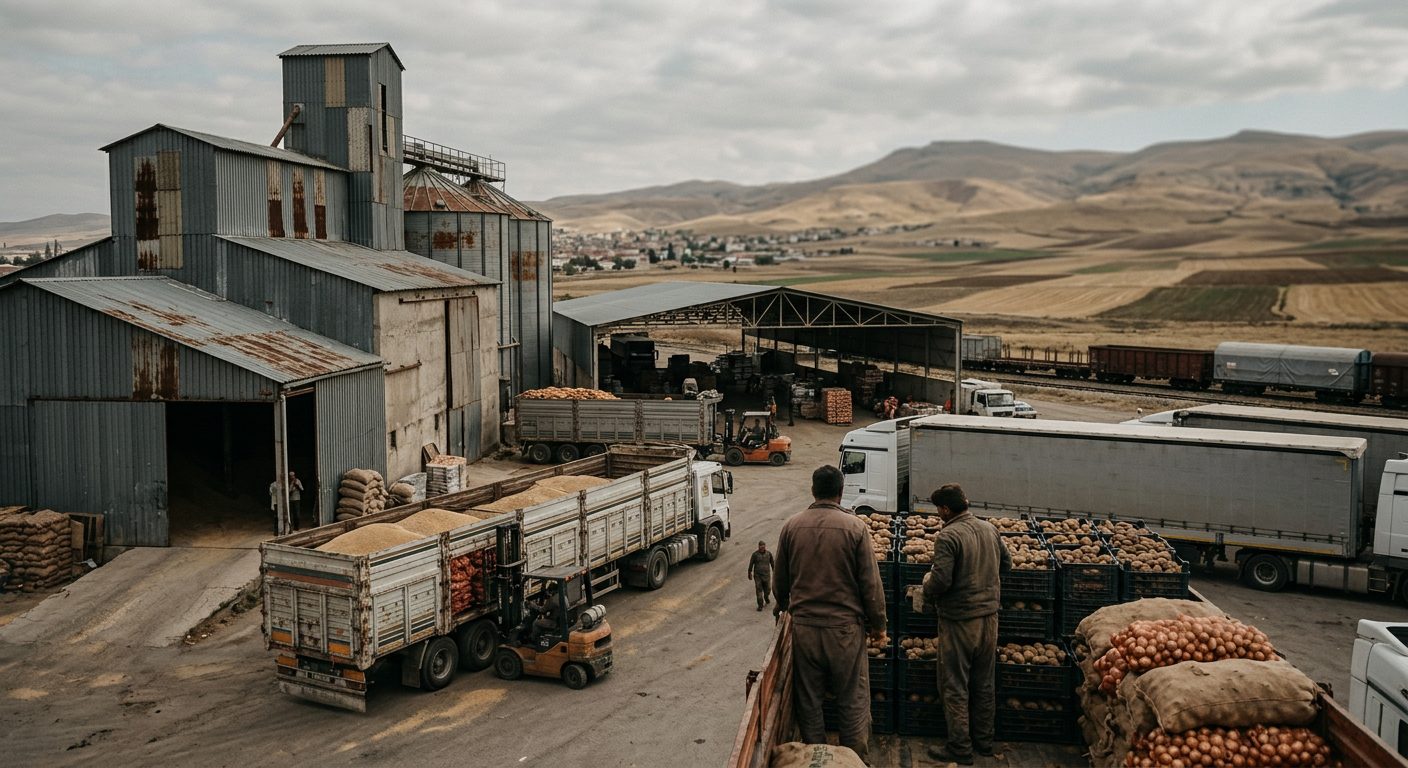
Investment in food systems has always clustered at the production and consumption ends, leaving transport, storage, and processing chronically underfunded despite driving massive post-harvest losses. This piece examines why the missing middle of food infrastructure stays starved of capital, and the early signs that cold chain startups and blended finance are beginning to close the gap.