The choke points reshaping how the world eats
From the Panama Canal to the Bosphorus, narrow waterways carry disproportionate weight in the global food system.
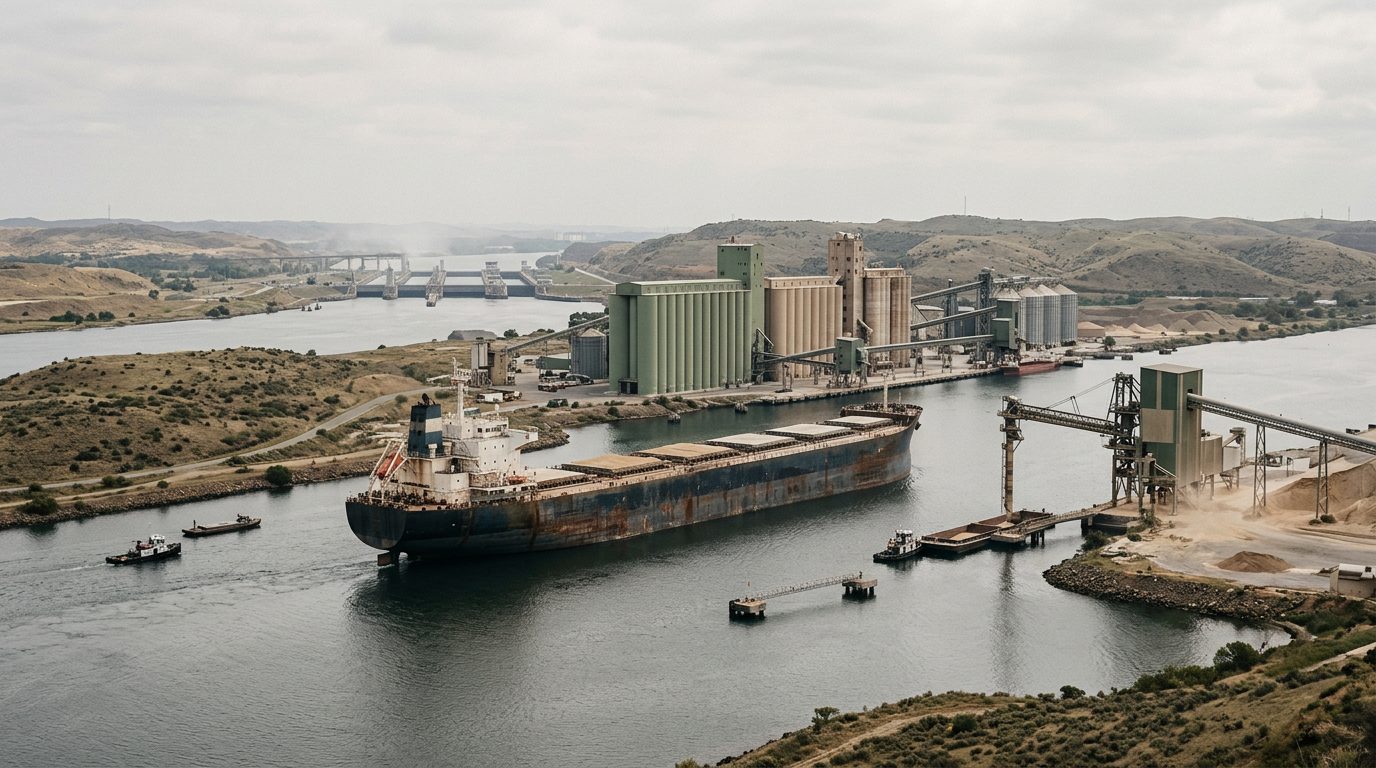
Roughly two-thirds of internationally traded grain passes through six maritime choke points. When any of them tightens, the effects ripple through prices and availability far beyond the shipping industry.
The Panama Canal, constrained by low water levels; the Bosphorus, watched closely for security risk; the Strait of Hormuz; the Suez Canal; the Malacca Strait; and the Kerch Strait. Each has featured in food-price stories over the past three years.
The Food Observatory Brief
Weekly briefing on food systems, climate, agriculture and policy — straight to your inbox.
More on Markets
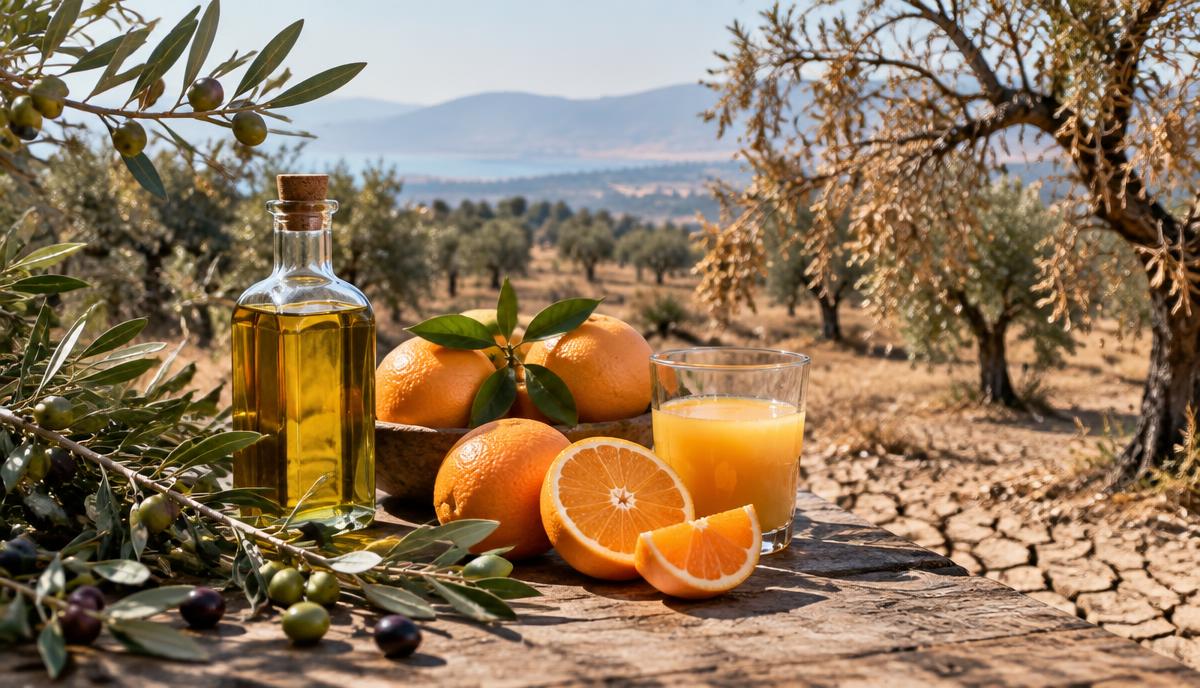
Olive Oil, Orange Juice and the New Climate Price Shock
Crops concentrated in one or two climate-exposed regions now follow a boom and bust pattern, with heat, drought and disease compounding the swings. This piece looks at olive oil, orange juice and vanilla, explains why prices fall back but not to old levels, and asks who carries the risk when hedging is thin.
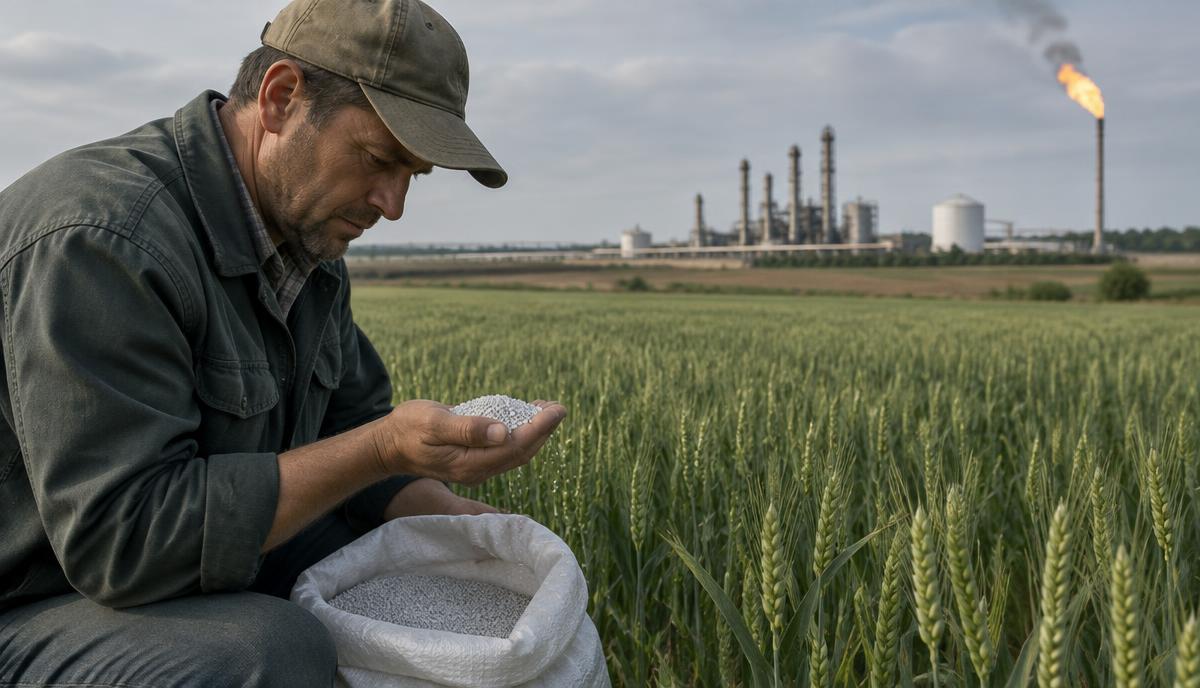
Fertilizer Prices Are the Hidden Driver of Food Inflation
Fertilizer is made from natural gas and from potash and phosphate controlled by a handful of exporters, so its price follows energy and trade policy more than crop demand. This piece argues that fertilizer affordability, not only grain prices, sets farmers' planting decisions and next season's food prices, and looks at what India, Africa and efficiency measures change.

GLP-1 Drugs Are Starting to Change What the Food Industry Sells
Semaglutide and tirzepatide are changing grocery baskets, restaurant portions and product launches in the United States. This piece argues that the food industry is facing its first pharmacological shift in appetite, traces the consequences for protein, fibre, portion size and the commodities behind them, and sets out why it will not become a universal change.