Tuesday, 8 September 2026Subscribe
Topic

Climate

How a changing climate is reshaping food systems.

Can Food Systems Become Carbon Sinks?
Climate

Can Food Systems Become Carbon Sinks?

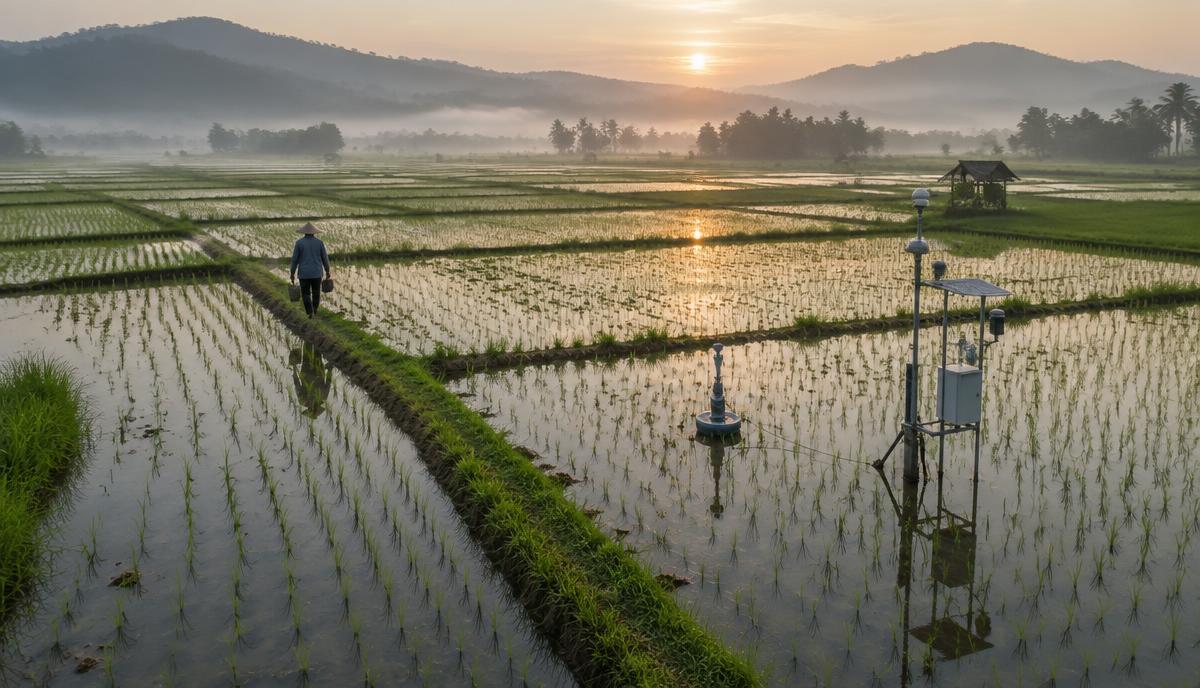
The idea that farms could flip from climate liability to carbon sink has real scientific grounding, but soil carbon sequestration is capacity-limited and reversible in ways that make it fundamentally different from permanent emissions reductions. This piece walks through what the IPCC's own numbers say soil can and cannot deliver, and why soil carbon credits keep running into credibility problems.

Mahathi Aguvaveedi·10 July 2026·9 min
Why Extreme Heat Is Reshaping Global Food Production
Climate

Why Extreme Heat Is Reshaping Global Food Production

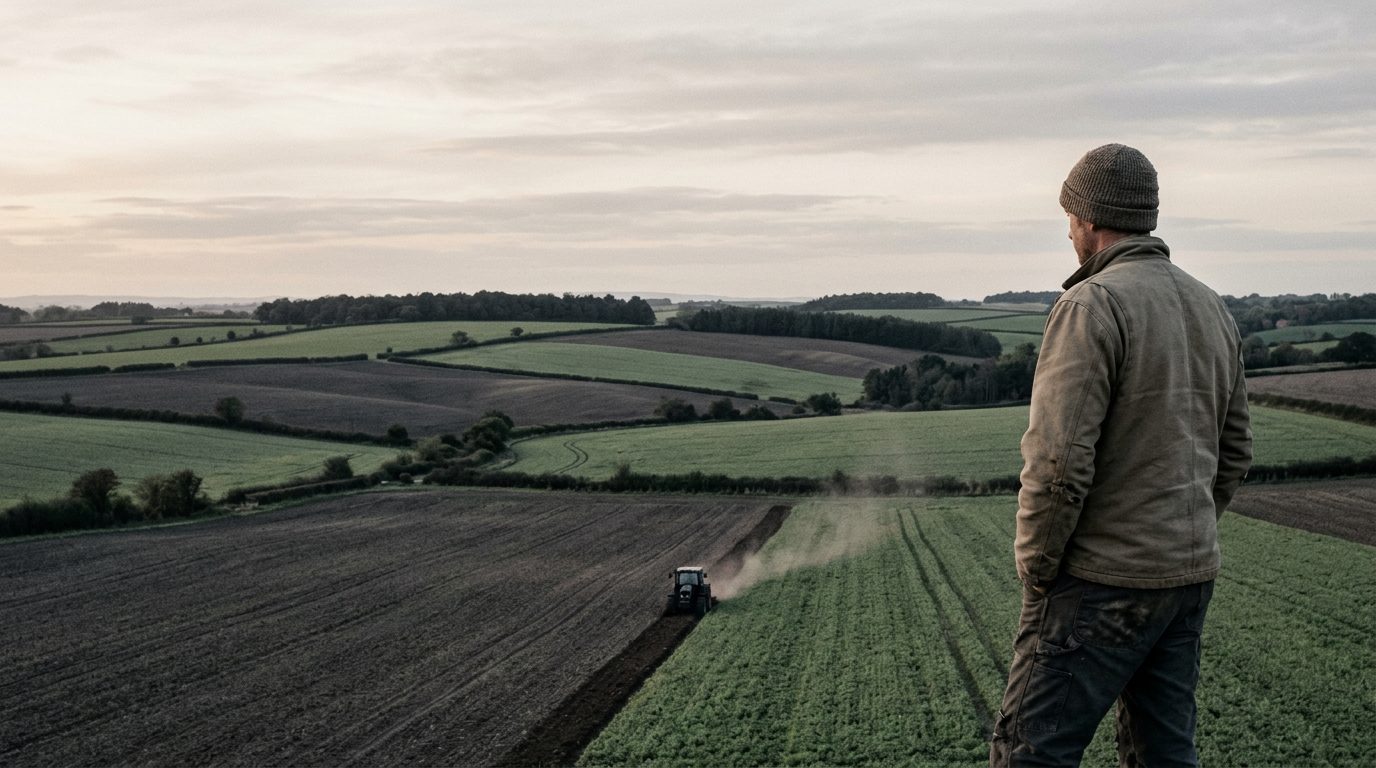
As temperatures repeatedly cross biological limits for crops, livestock and farm workers, extreme heat is emerging not as another climate risk—but as a force quietly rewriting where, how and even whether food can be produced.

Editorial Desk·1 July 2026·8 min
Why Every Climate Story Is Also a Food Story
Climate

Why Every Climate Story Is Also a Food Story

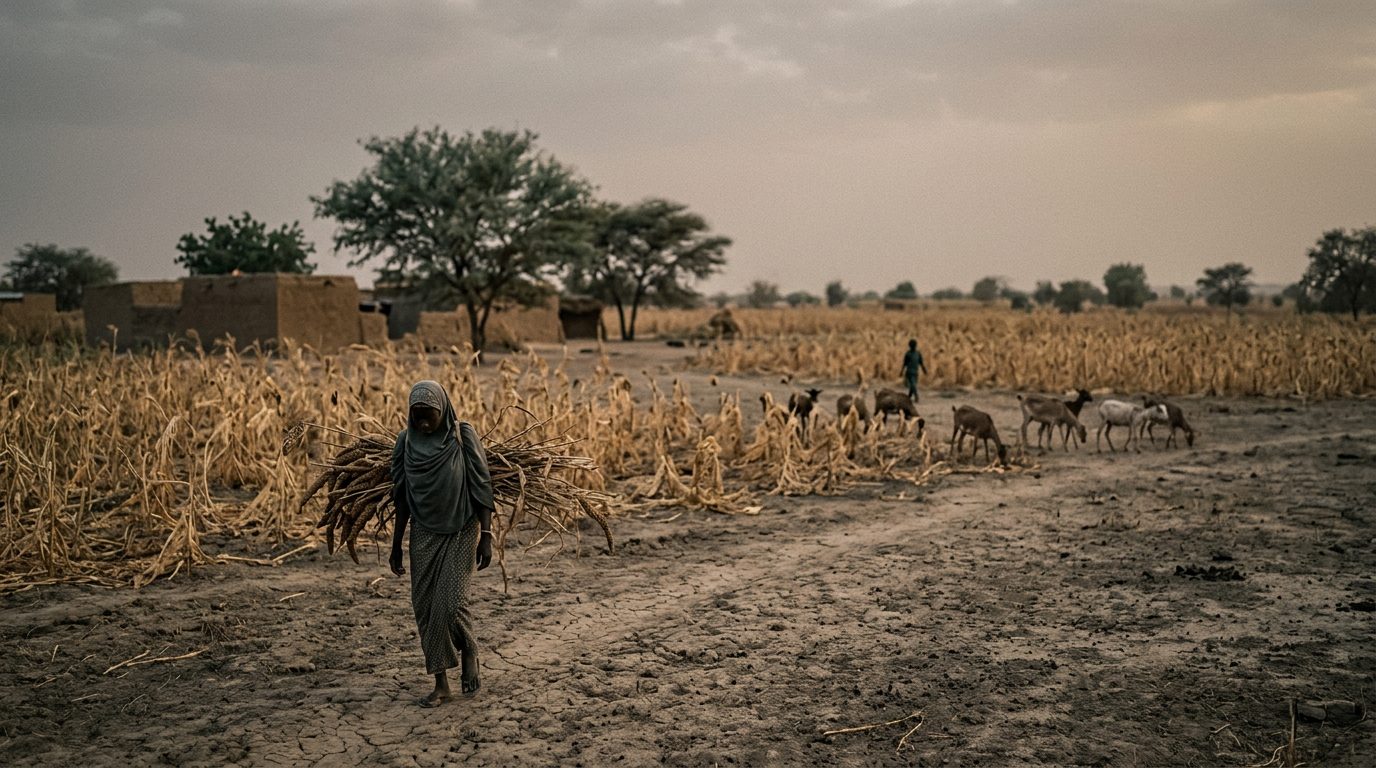
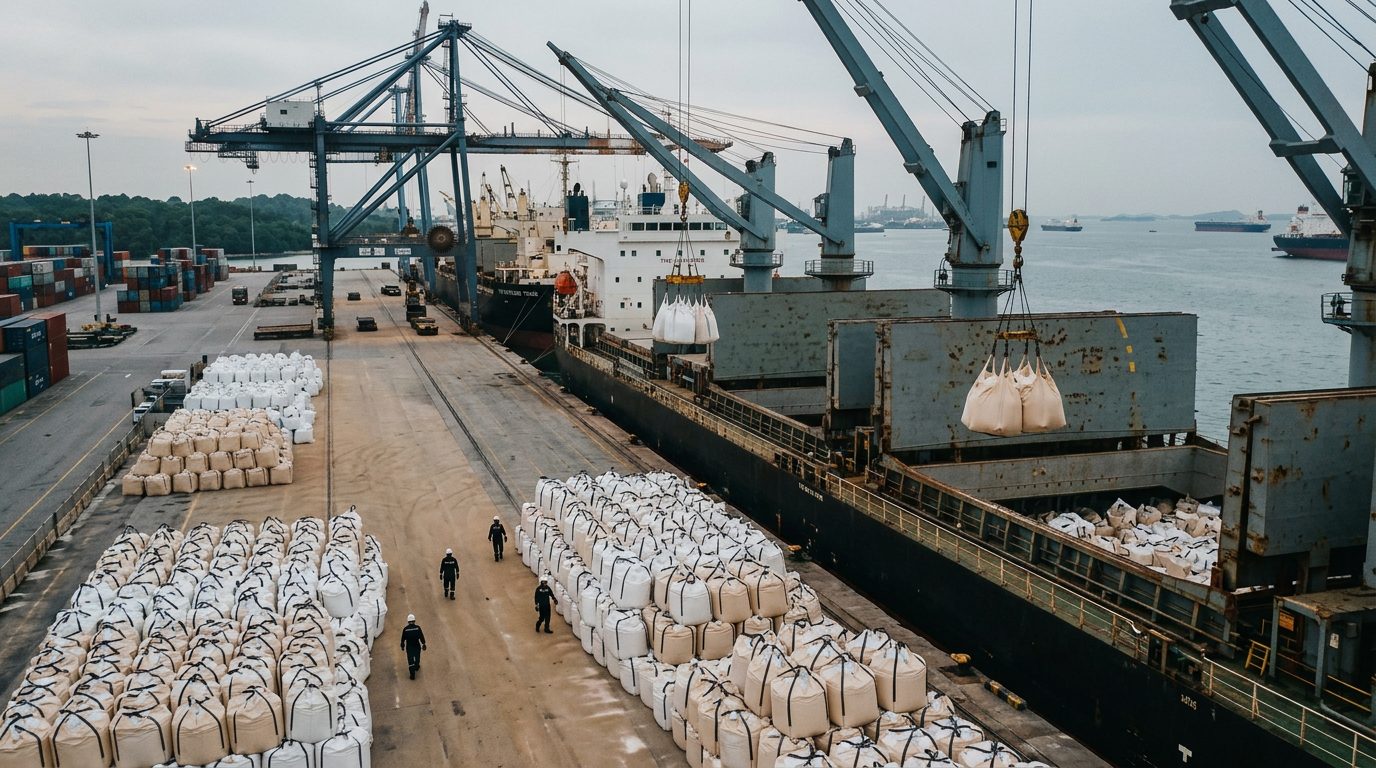
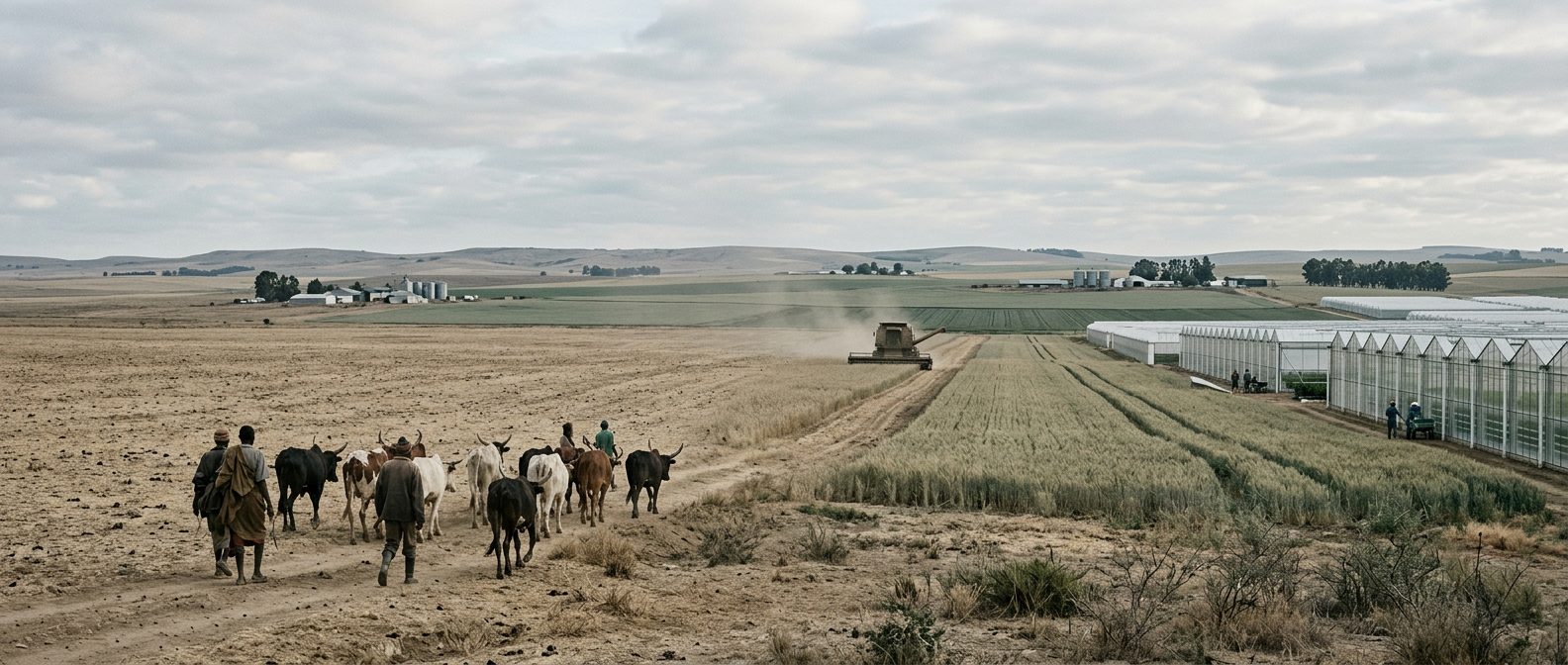
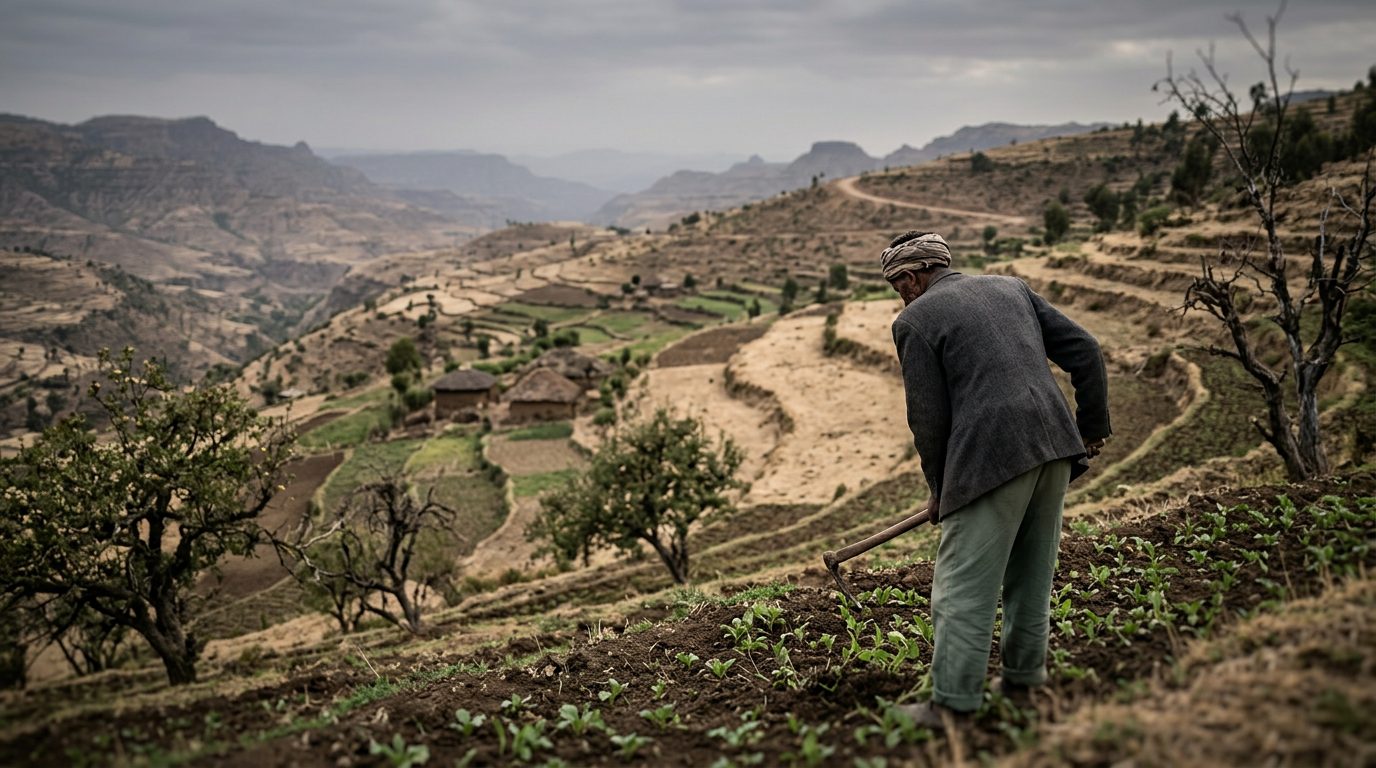
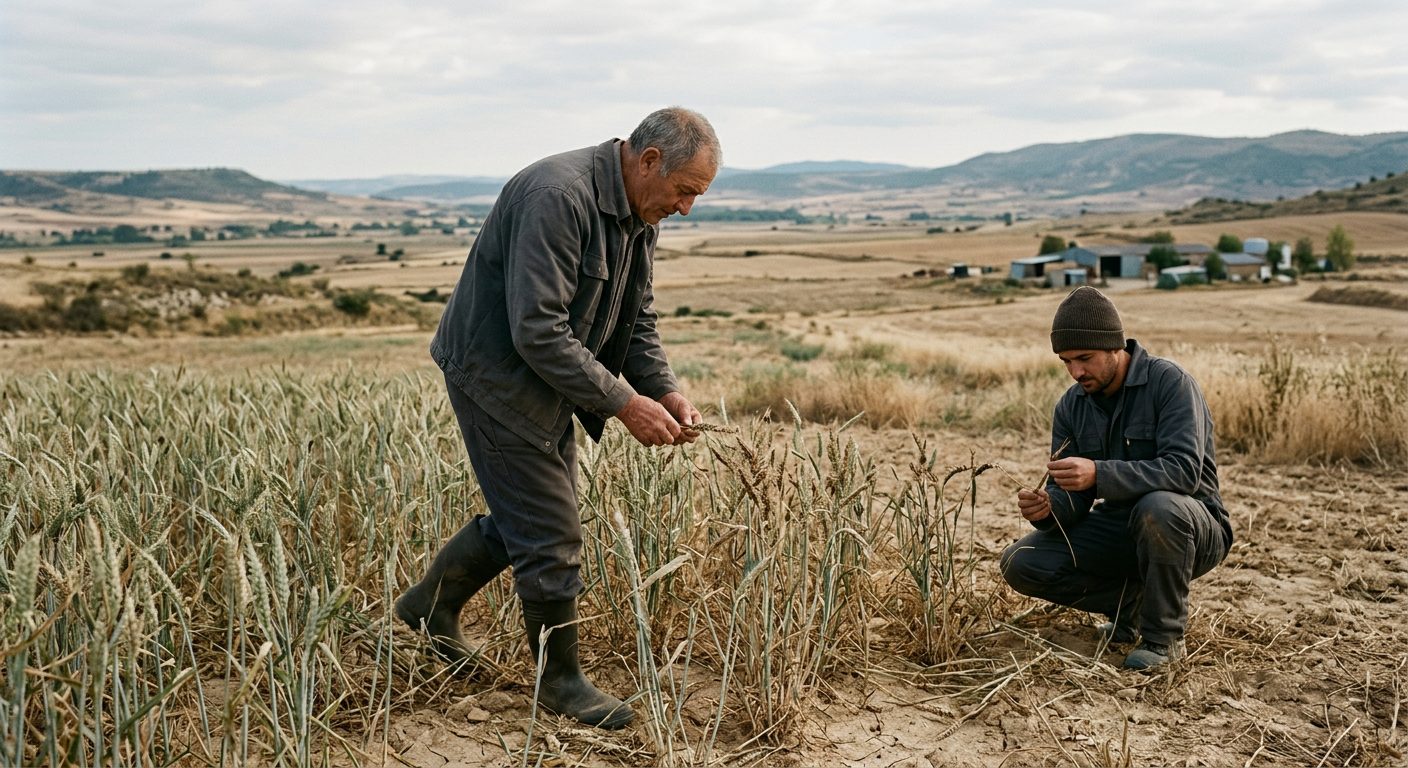
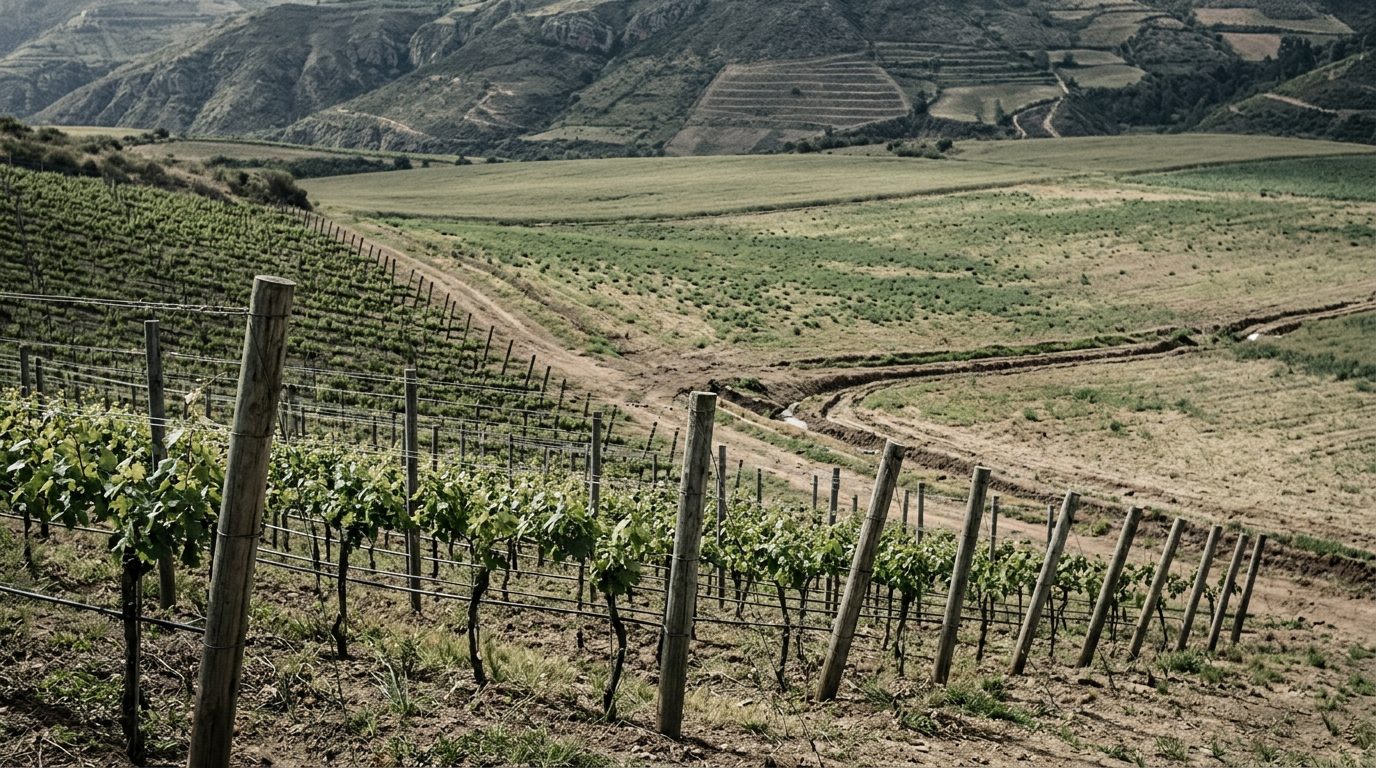
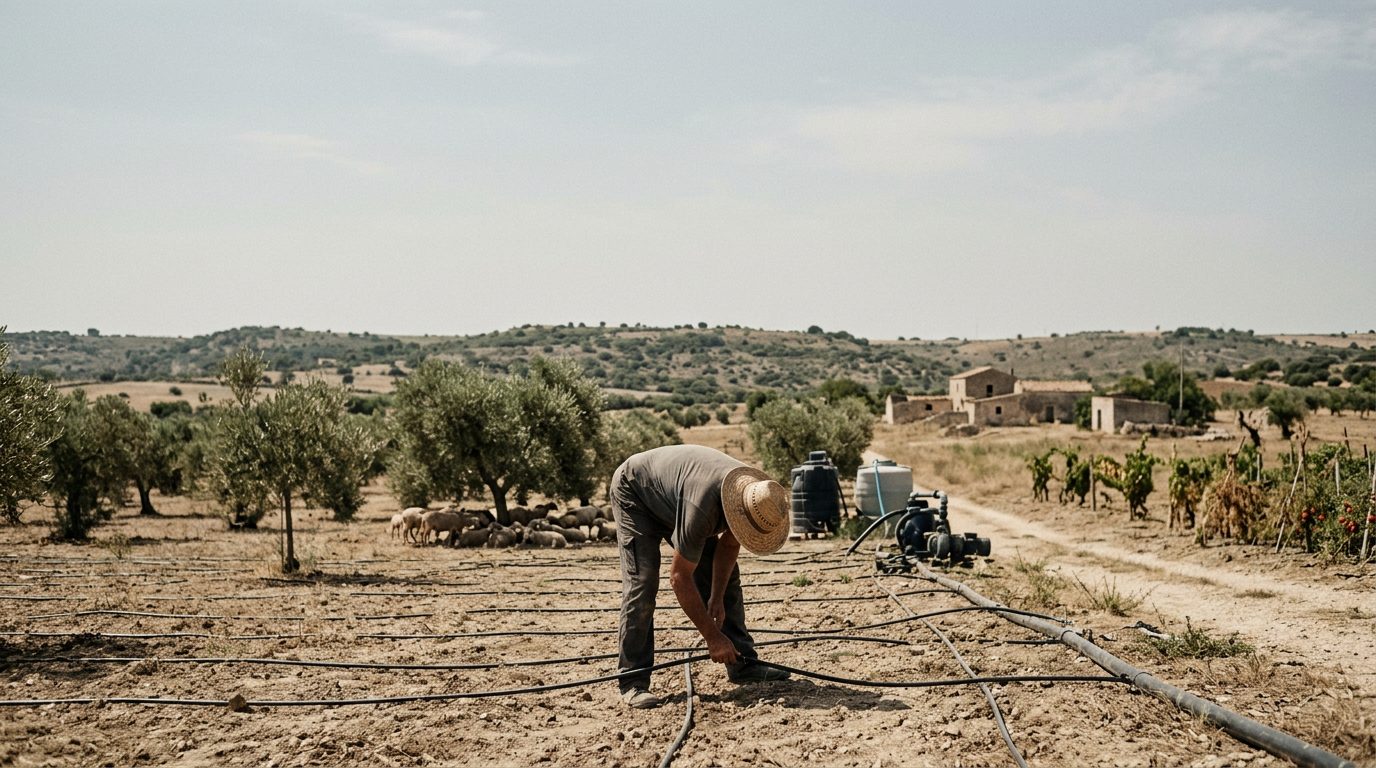
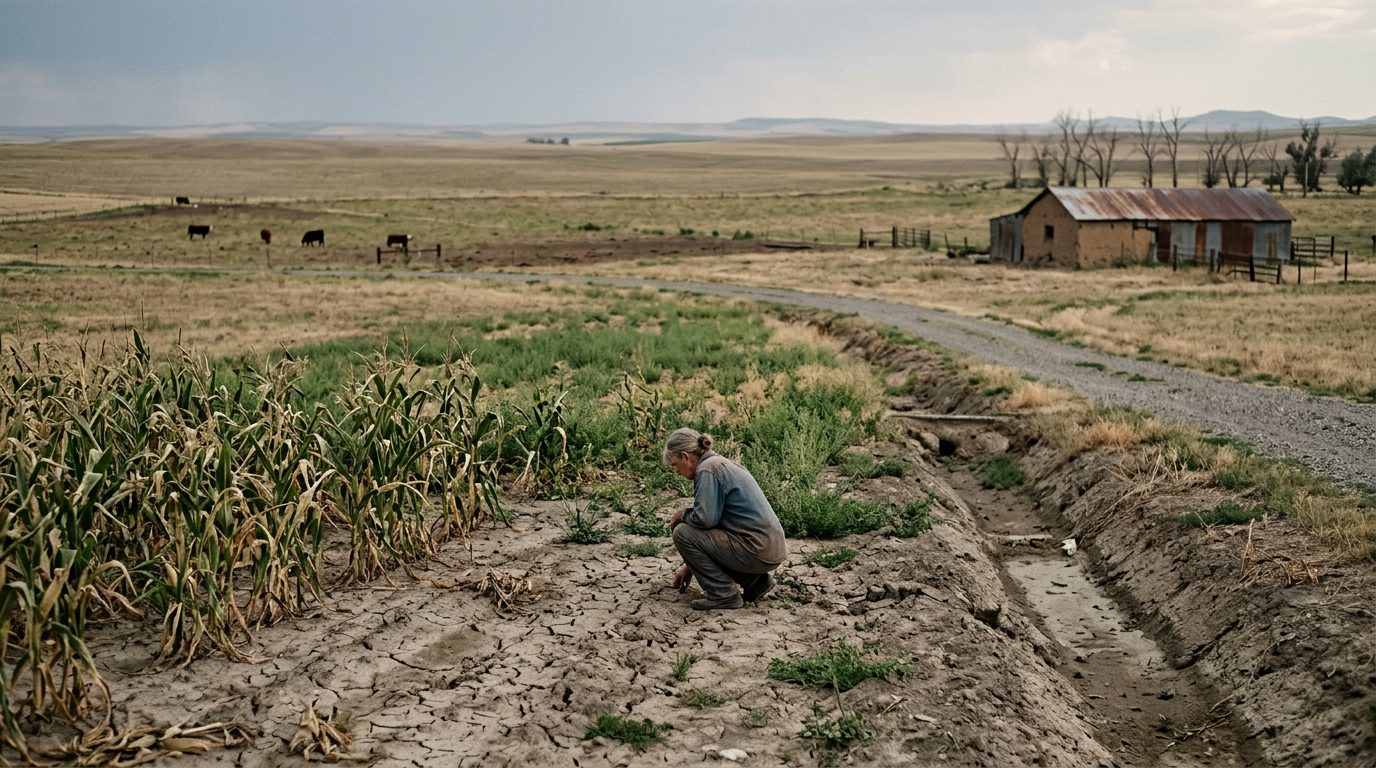
Agriculture and land use together account for roughly a third of global greenhouse gas emissions, making food production inseparable from the climate story rather than a side issue to it. This piece connects specific scenes from three continents to make the case that no serious climate reporting or policy can treat food systems as secondary.

Mahathi Aguvaveedi·14 May 2026·9 min
The Coming Era of Climate Migration: for Crops
Climate

The Coming Era of Climate Migration: for Crops

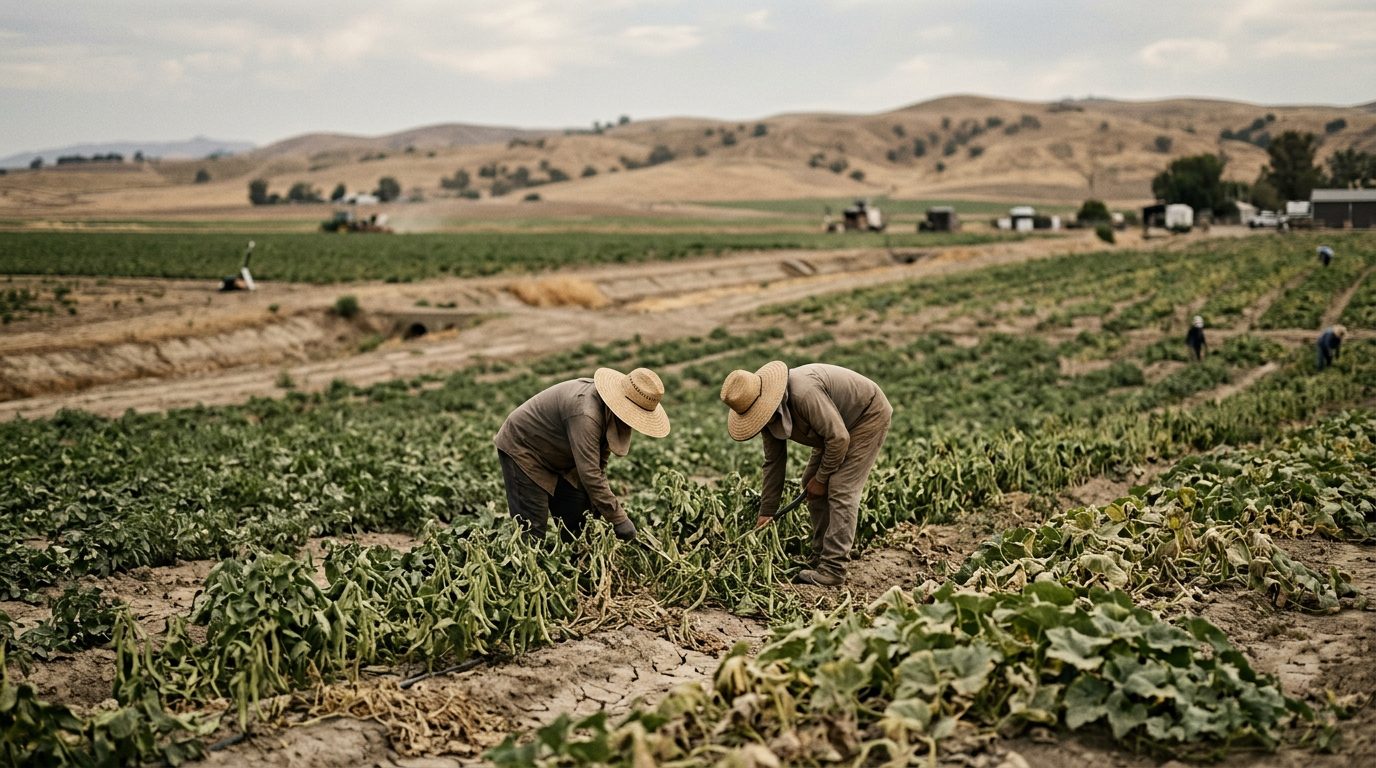
From Yakima Valley apple orchards absorbing decades of compounding heat stress to shifting crop suitability across the Ethiopian highlands and Kenyan savanna, this piece explores how growers and entire agricultural regions are being forced to follow their crops toward new latitudes and altitudes as the old growing zones stop working.

Mahathi Aguvaveedi·6 May 2026·8 min
The New Politics of Water in Agriculture
Climate

The New Politics of Water in Agriculture

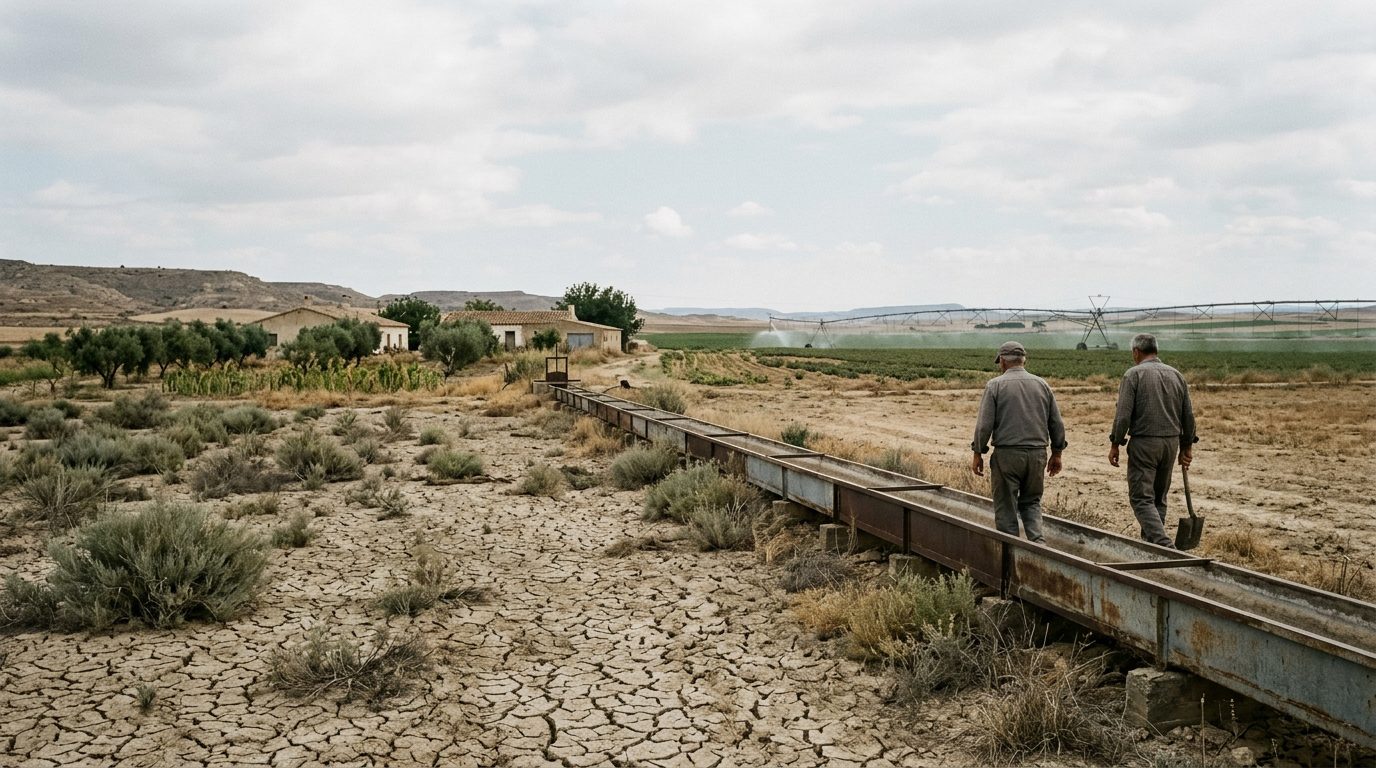
Water has overtaken land and even climate policy as the most contested input in modern farming. This piece examines the escalating disputes over agricultural water rights from the American Southwest to the Nile Delta to inland Spain, and asks who ultimately decides which farms keep irrigating as rivers and aquifers come under growing strain.

Mahathi Aguvaveedi·1 May 2026·8 min
Food Inflation Is Becoming a Climate Indicator
Climate

Food Inflation Is Becoming a Climate Indicator

What used to be dismissed as short-term supply disruption is now a load-bearing part of how central banks explain inflation. This piece traces the rise of climateflation as a recognized economic mechanism, from the European Central Bank's early warnings to the data now linking specific climate shocks to measurable jumps in food prices worldwide.

Henry Asplin·27 April 2026·8 min
The Geography of Food Is Changing
Climate

The Geography of Food Is Changing

From English sparkling wine outcompeting Champagne to coffee's retreat uphill in Latin America, the geography that has determined where the world's key crops grow best for centuries is quietly moving. This piece maps how shifting temperature and rainfall bands are forcing entire industries built around fixed growing regions to relocate, replant, or reinvent themselves in real time.

Mahathi Aguvaveedi·22 April 2026·8 min
Why Heat Is Becoming Agriculture's Most Expensive Input
Climate

Why Heat Is Becoming Agriculture's Most Expensive Input

Extreme heat no longer behaves like ordinary weather variation, it behaves like an input with a price tag. This piece traces how rising heat is driving up costs across irrigation, livestock, and farm labor worldwide, drawing on FAO-WMO estimates of the global economic toll and specific cases from Punjab wheat farms to Wisconsin dairies, and asks why farm budgets and policy have been slow to treat heat the way they treat diesel or fertilizer.

Mahathi Aguvaveedi·18 April 2026·7 min
The End of Stable Harvests: Why Climate Volatility Matters More Than Average Warming
Climate

The End of Stable Harvests: Why Climate Volatility Matters More Than Average Warming

As global attention stays fixed on rising average temperatures, a more immediate threat to agriculture is going largely unaddressed: the growing volatility between one growing season and the next. Drawing on India's 2025 monsoon whiplash and record swings in Europe, the US Corn Belt, Australia, and China, this piece examines why widening year-to-year variability, not gradual warming, is increasingly what breaks farming systems, insurance markets, and food supply chains built for a more stable climate.

Mahathi Aguvaveedi·14 April 2026·8 min