Tuesday, 8 September 2026Subscribe
Explainers

Understand the food system

Short, evidence-based guides to the concepts, terms and issues shaping food policy and markets.

The Next Generation of Crop Breeding
Innovation

The Next Generation of Crop Breeding

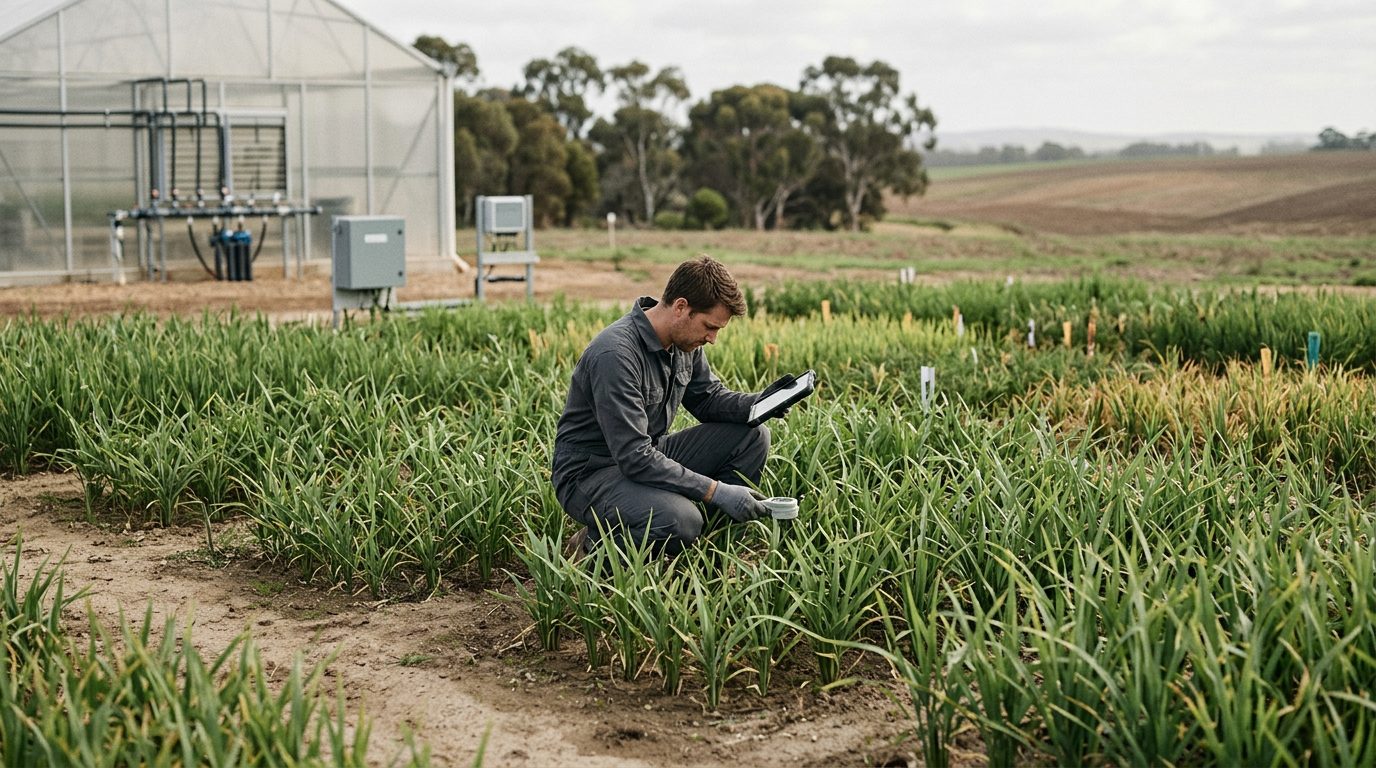
Gene editing and computational breeding tools have collapsed the timeline for developing new crop varieties from decades to single growing seasons. This piece explains the science behind the new generation of crop breeding, the companies racing to commercialize it, and what faster breeding cycles could mean for climate-resilient agriculture.

Mahathi Aguvaveedi·3 September 2026·8 min
Beyond Calories: The Next Food Security Challenge
Health

Beyond Calories: The Next Food Security Challenge

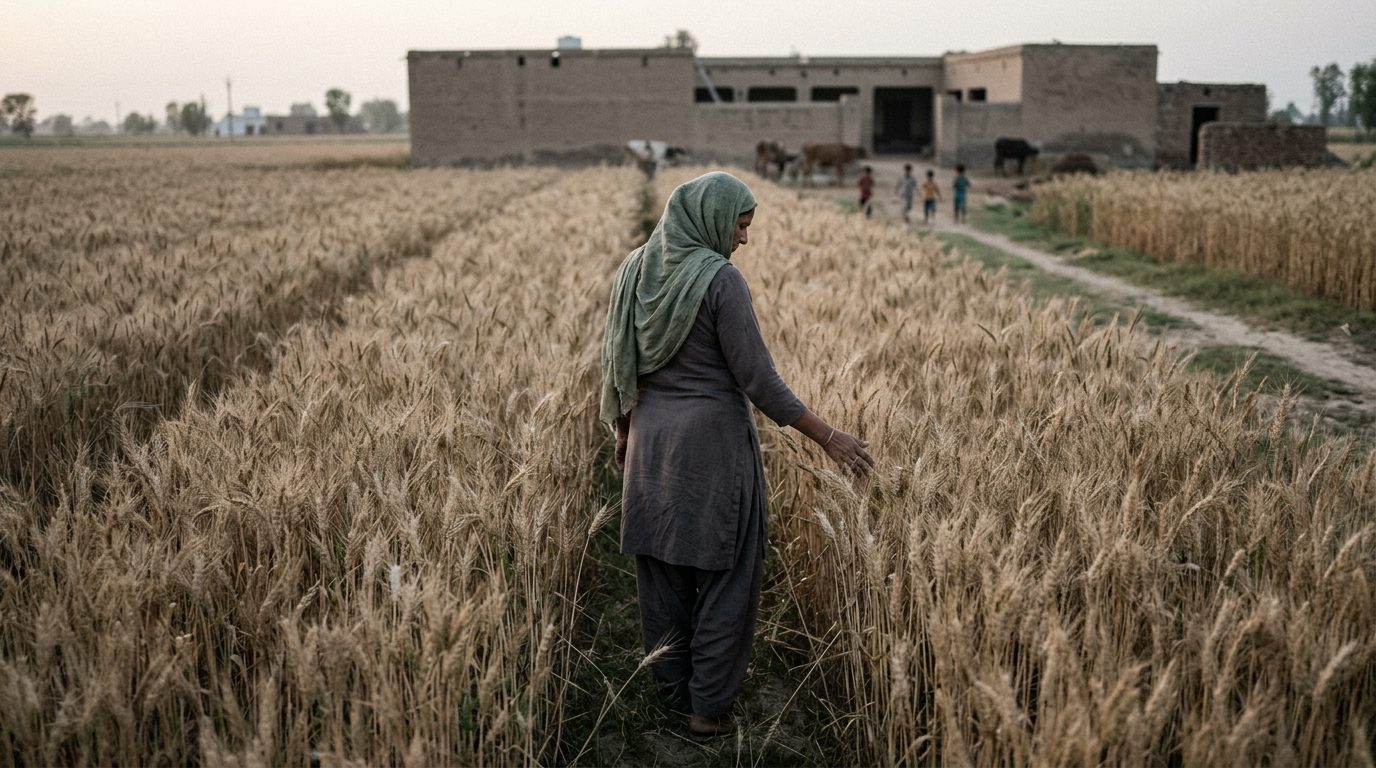
A farmer in Punjab can grow enough wheat to feed several families and still leave a child short of the zinc and iron her body needs. This piece explains why food security policy built around calorie counts has failed to catch the hidden micronutrient deficiencies affecting billions, and what a nutrition-first approach to food security would require.

Mahathi Aguvaveedi·7 August 2026·8 min
Climate Change Is Quietly Changing the Nutritional Value of Food
Health

Climate Change Is Quietly Changing the Nutritional Value of Food

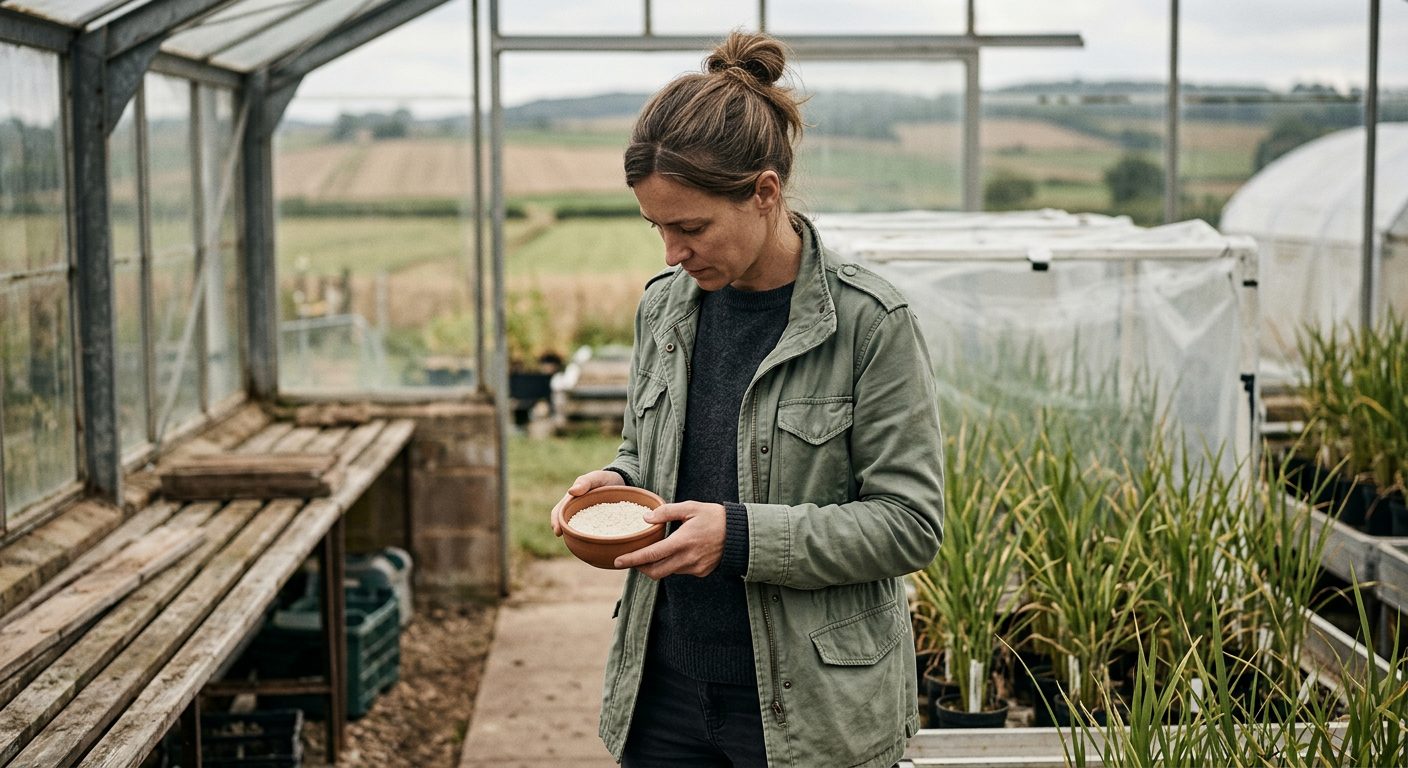
A bowl of rice grown under 2050's atmosphere will look and taste identical to today's, while carrying meaningfully less protein and fewer micronutrients. This piece traces the research, beginning with Samuel Myers's landmark 2014 Nature study, documenting how elevated carbon dioxide is silently eroding the nutritional value of the crops billions of people depend on.

Mahathi Aguvaveedi·28 July 2026·8 min
Farmers Need Better Finance, Not Just Better Seeds
Agriculture

Farmers Need Better Finance, Not Just Better Seeds

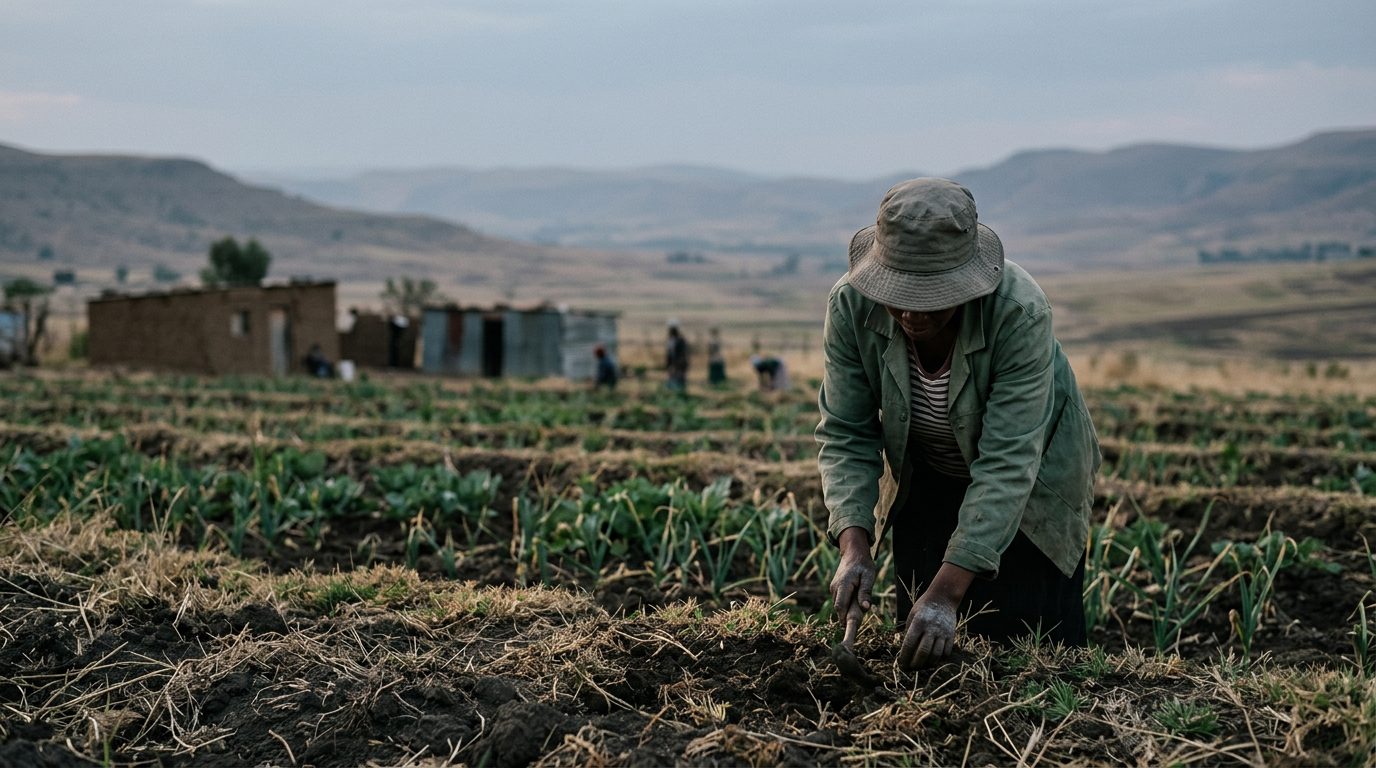
Improved seed genetics have advanced faster than the financial tools smallholder farmers need to actually use them. This piece looks at how access to credit, insurance, and market information, not seed technology alone, determines whether climate-resilient farming reaches the smallholders who need it most.

Rico Rau·18 July 2026·9 min
Why Agricultural Subsidies May Be the Biggest Climate Policy Nobody Talks About
Policy

Why Agricultural Subsidies May Be the Biggest Climate Policy Nobody Talks About

Agricultural subsidies dwarf most national climate budgets, yet a joint FAO-UNDP-UNEP analysis found roughly 87 percent actively work against climate and environmental goals. This piece explains how subsidy systems built to keep commodity prices low and protect rural voting blocs became, without anyone designing it that way, one of the largest climate policy problems in the world.

Mahathi Aguvaveedi·14 July 2026·8 min
Can Food Systems Become Carbon Sinks?
Climate

Can Food Systems Become Carbon Sinks?

The idea that farms could flip from climate liability to carbon sink has real scientific grounding, but soil carbon sequestration is capacity-limited and reversible in ways that make it fundamentally different from permanent emissions reductions. This piece walks through what the IPCC's own numbers say soil can and cannot deliver, and why soil carbon credits keep running into credibility problems.

Mahathi Aguvaveedi·10 July 2026·9 min
The Economics of Food Waste
Markets

The Economics of Food Waste

Food loss and waste follow starkly different patterns by income level, concentrated in production and storage in developing countries and in retail and consumer behavior in wealthy ones. This piece explains why prevention has stayed more expensive than waste for most of the businesses in the chain, and which interventions are actually shifting that incentive.

Henry Asplin·25 June 2026·8 min
Why Food Systems Are the World's Largest Employer
Policy

Why Food Systems Are the World's Largest Employer

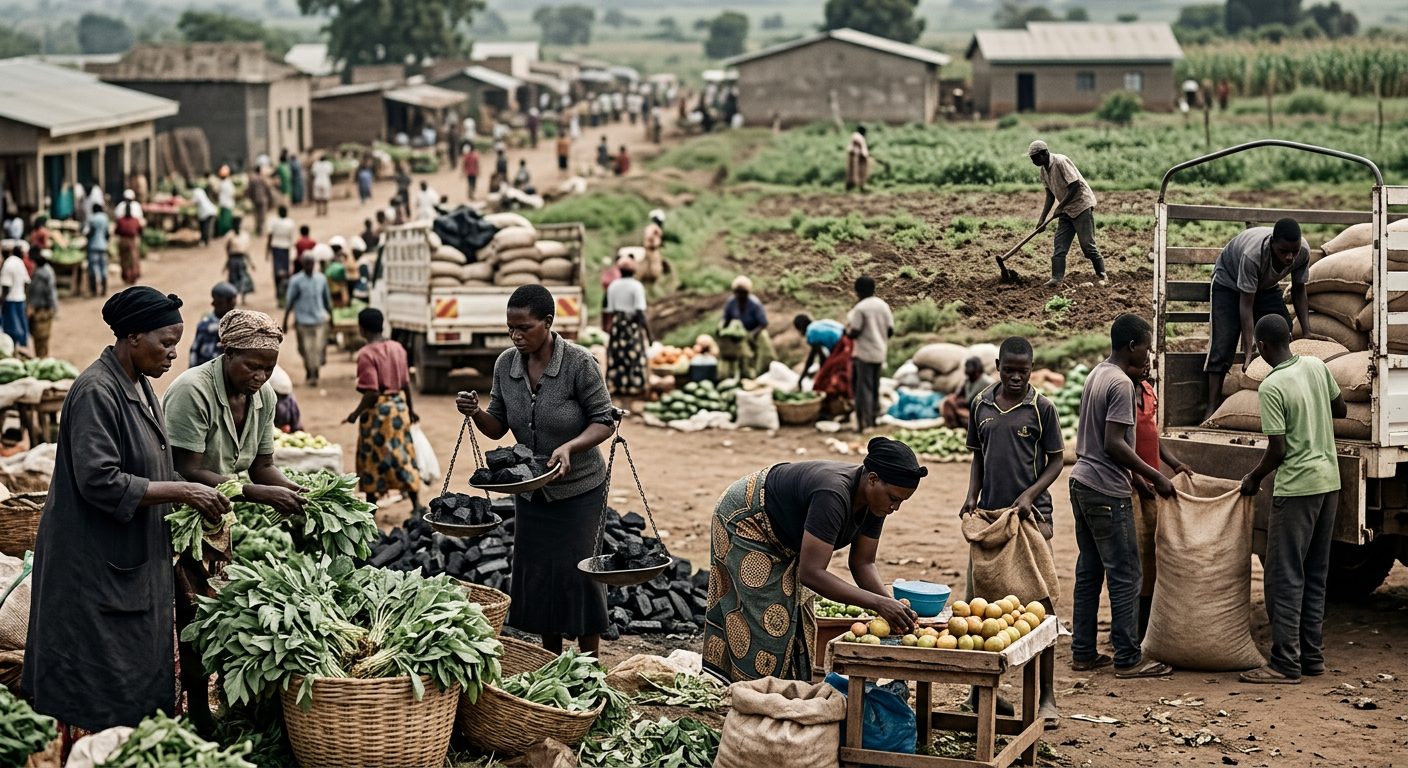
From a Kisumu market vendor to a Punjab wheat farmer, food systems form the largest source of livelihoods on the planet while remaining disproportionately informal and low-paid. This piece examines the scale of global agrifood employment, the gender and youth dimensions of its labor conditions, and what formalizing this workforce would take.

Mahathi Aguvaveedi·20 June 2026·9 min
The Missing Middle of Food Systems
Markets

The Missing Middle of Food Systems

Investment in food systems has always clustered at the production and consumption ends, leaving transport, storage, and processing chronically underfunded despite driving massive post-harvest losses. This piece examines why the missing middle of food infrastructure stays starved of capital, and the early signs that cold chain startups and blended finance are beginning to close the gap.

Rico Rau·18 May 2026·9 min
The Coming Era of Climate Migration: for Crops
Climate

The Coming Era of Climate Migration: for Crops

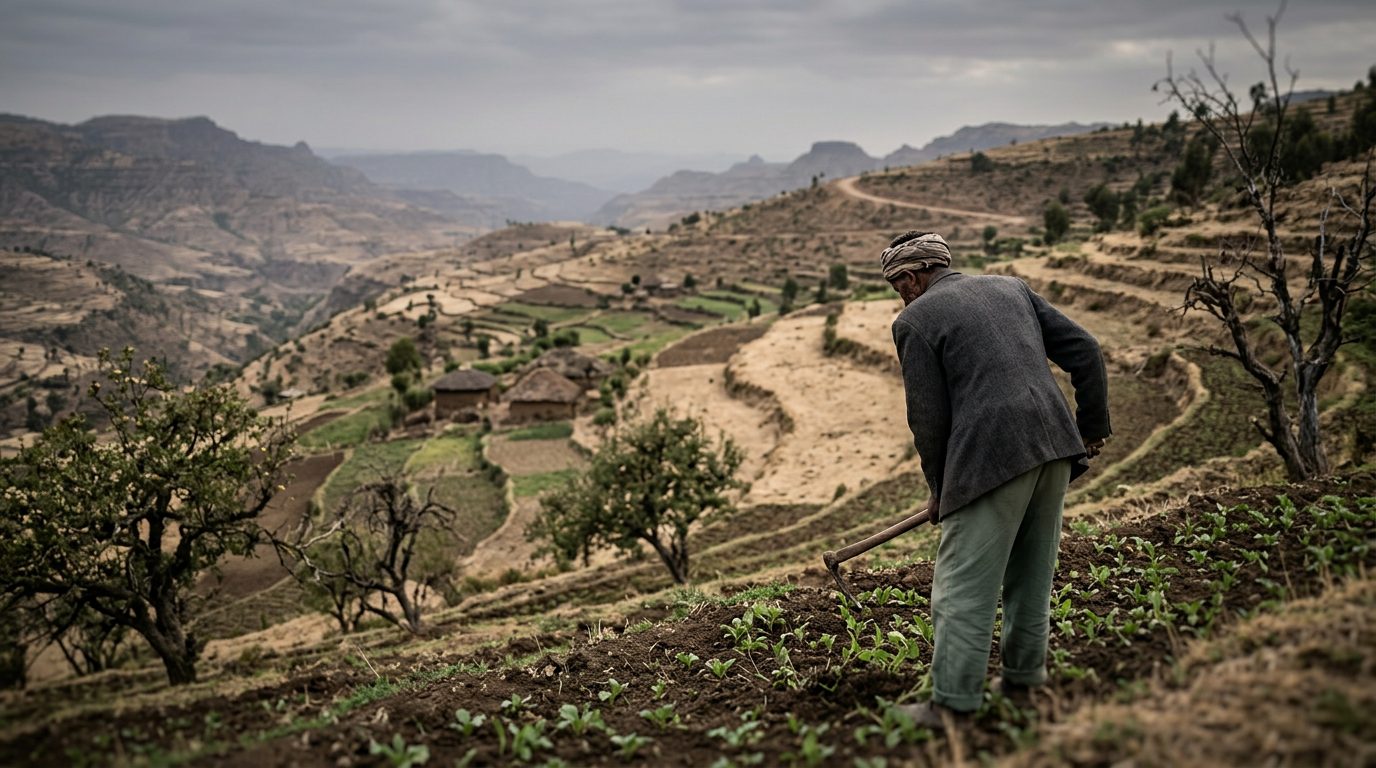
From Yakima Valley apple orchards absorbing decades of compounding heat stress to shifting crop suitability across the Ethiopian highlands and Kenyan savanna, this piece explores how growers and entire agricultural regions are being forced to follow their crops toward new latitudes and altitudes as the old growing zones stop working.

Mahathi Aguvaveedi·6 May 2026·8 min
The New Politics of Water in Agriculture
Climate

The New Politics of Water in Agriculture

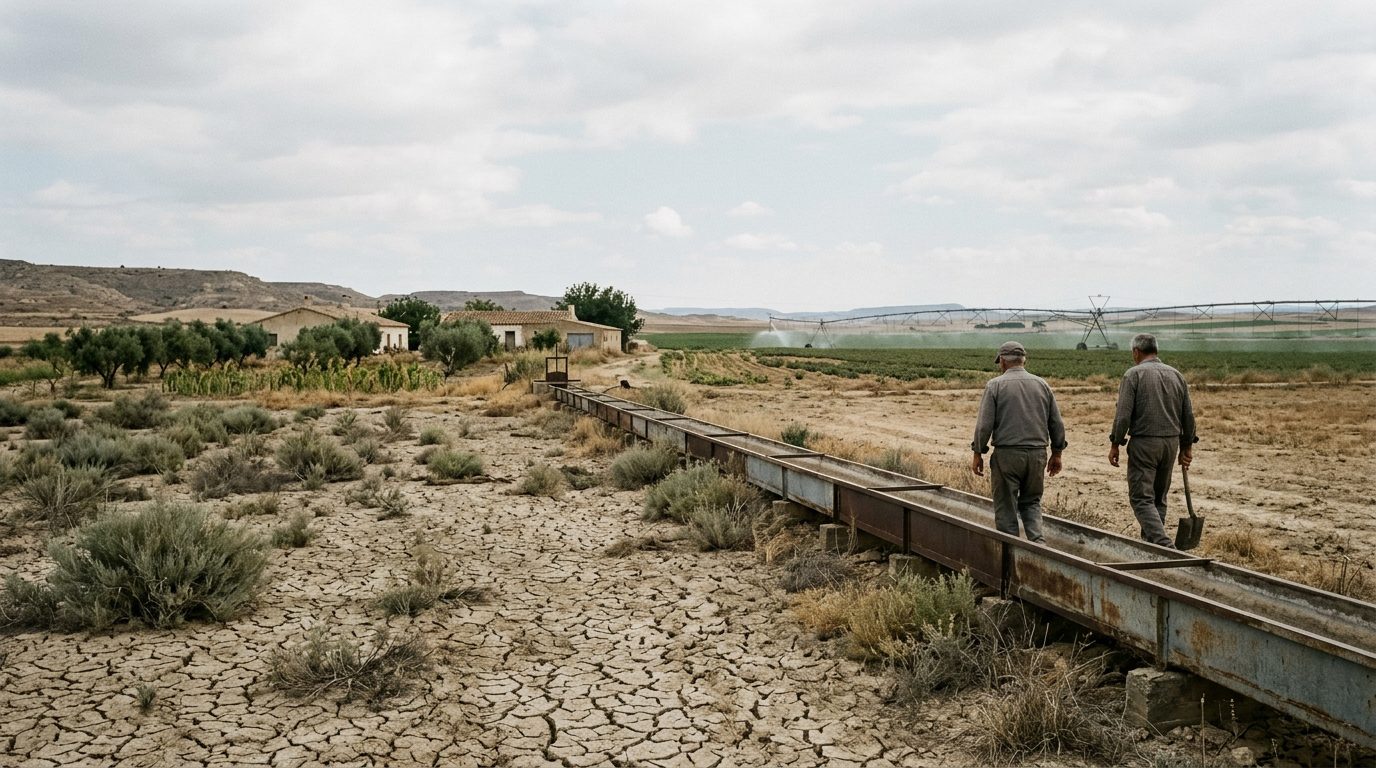
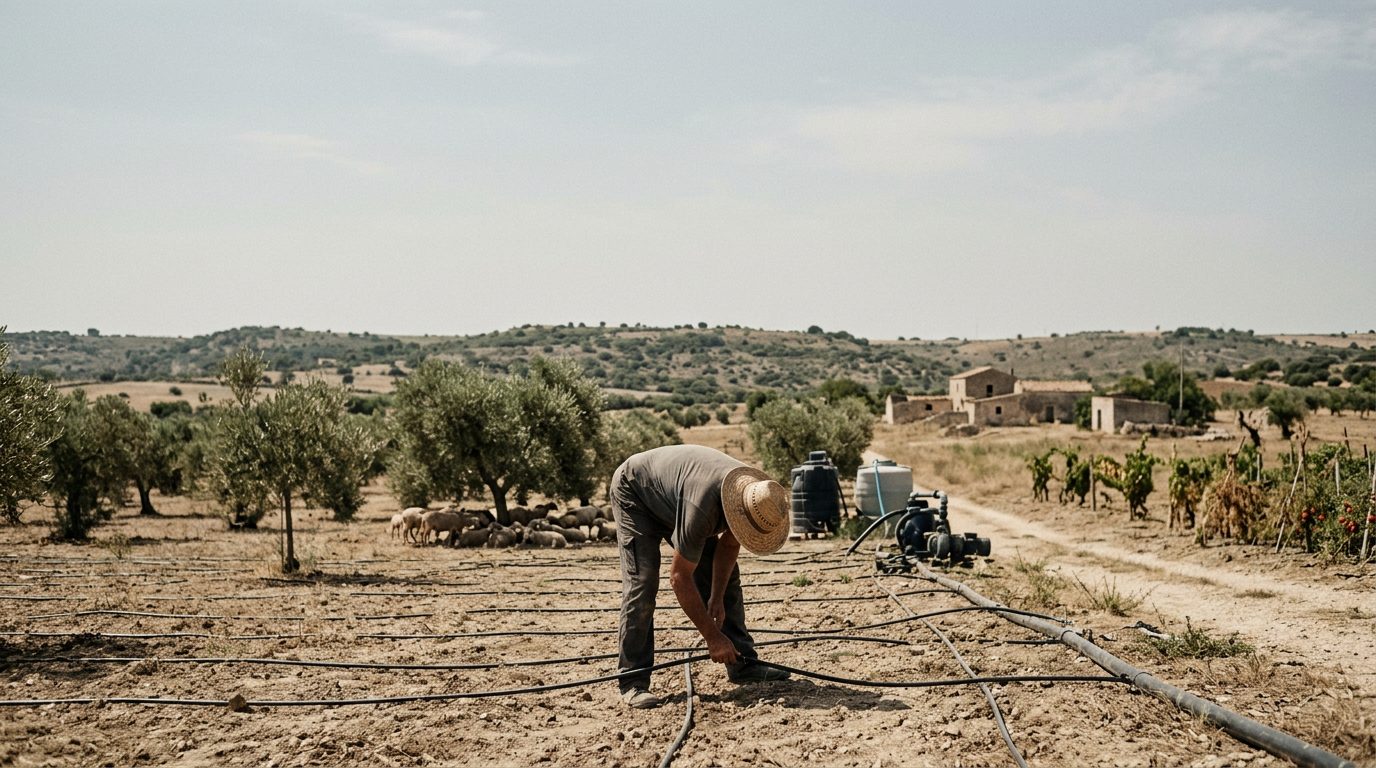
Water has overtaken land and even climate policy as the most contested input in modern farming. This piece examines the escalating disputes over agricultural water rights from the American Southwest to the Nile Delta to inland Spain, and asks who ultimately decides which farms keep irrigating as rivers and aquifers come under growing strain.

Mahathi Aguvaveedi·1 May 2026·8 min
Why Biodiversity Is Food Infrastructure
Agriculture

Why Biodiversity Is Food Infrastructure

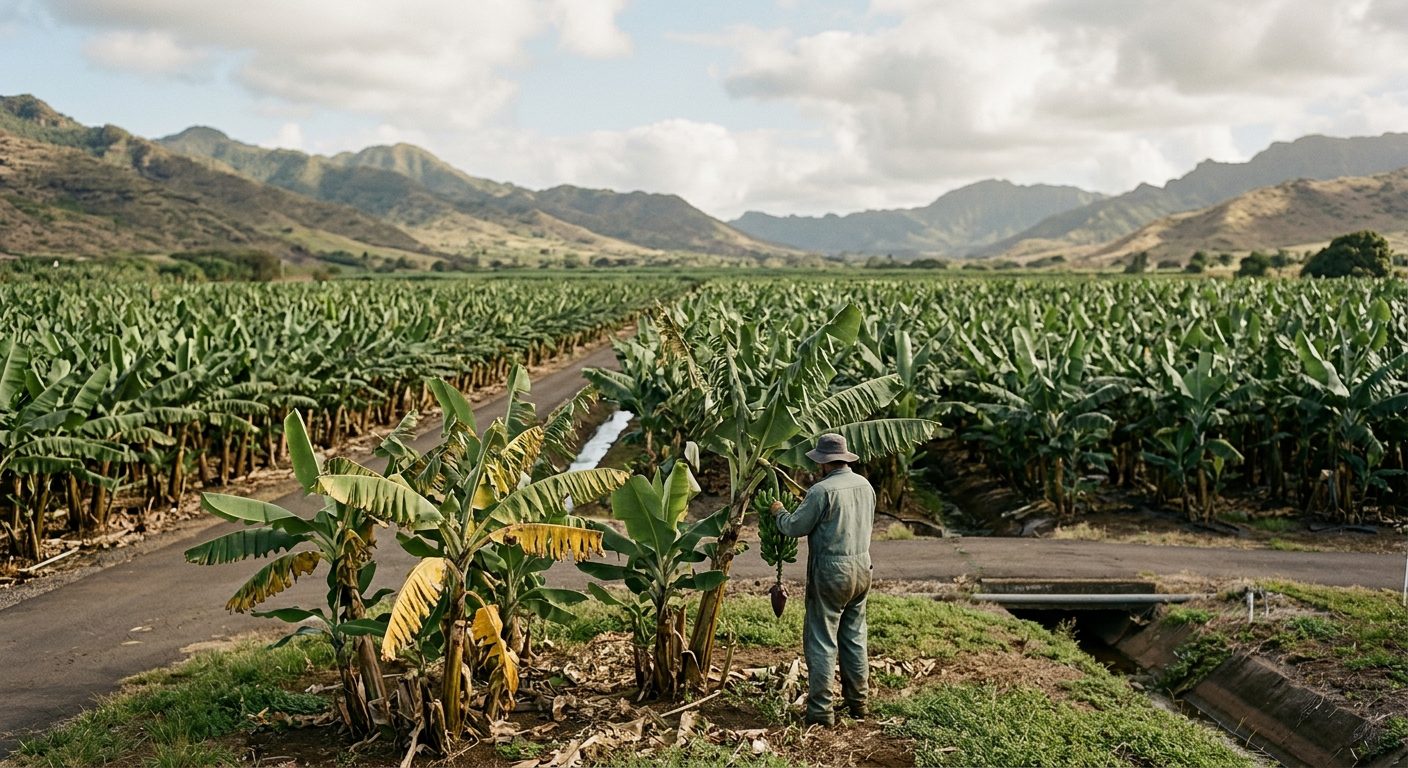
Tropical Race 4, a strain of Panama disease with no cure, is now confirmed on every continent where bananas are commercially grown, exposing how narrow genetic diversity has made global food supply chains dangerously fragile. This piece traces why biodiversity, both in crops and the ecosystems around them, functions as food infrastructure rather than an optional environmental extra.

Mahathi Aguvaveedi·25 April 2026·8 min
Why Heat Is Becoming Agriculture's Most Expensive Input
Climate

Why Heat Is Becoming Agriculture's Most Expensive Input

Extreme heat no longer behaves like ordinary weather variation, it behaves like an input with a price tag. This piece traces how rising heat is driving up costs across irrigation, livestock, and farm labor worldwide, drawing on FAO-WMO estimates of the global economic toll and specific cases from Punjab wheat farms to Wisconsin dairies, and asks why farm budgets and policy have been slow to treat heat the way they treat diesel or fertilizer.

Mahathi Aguvaveedi·18 April 2026·7 min
The End of Stable Harvests: Why Climate Volatility Matters More Than Average Warming
Climate

The End of Stable Harvests: Why Climate Volatility Matters More Than Average Warming

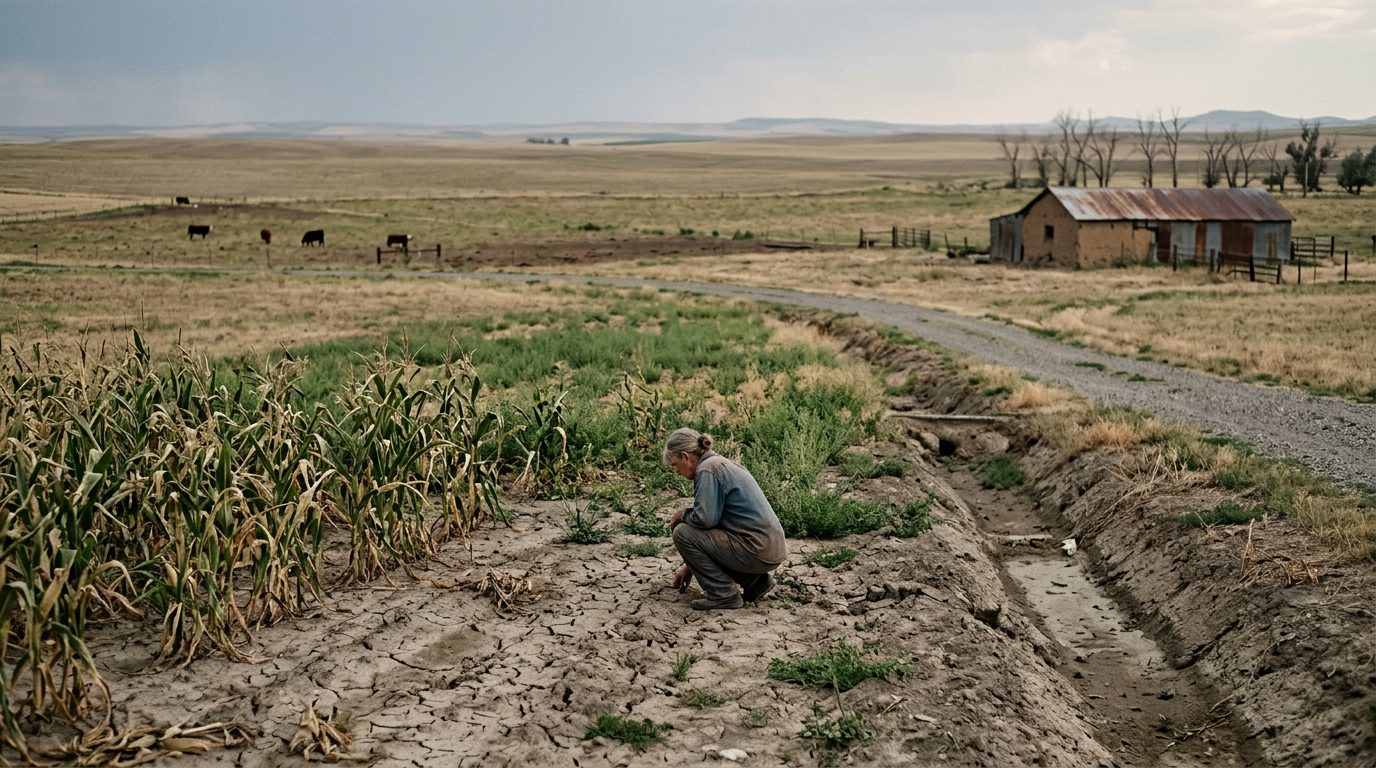
As global attention stays fixed on rising average temperatures, a more immediate threat to agriculture is going largely unaddressed: the growing volatility between one growing season and the next. Drawing on India's 2025 monsoon whiplash and record swings in Europe, the US Corn Belt, Australia, and China, this piece examines why widening year-to-year variability, not gradual warming, is increasingly what breaks farming systems, insurance markets, and food supply chains built for a more stable climate.

Mahathi Aguvaveedi·14 April 2026·8 min
Pollinators Are Becoming an Economic Issue
Agriculture

Pollinators Are Becoming an Economic Issue

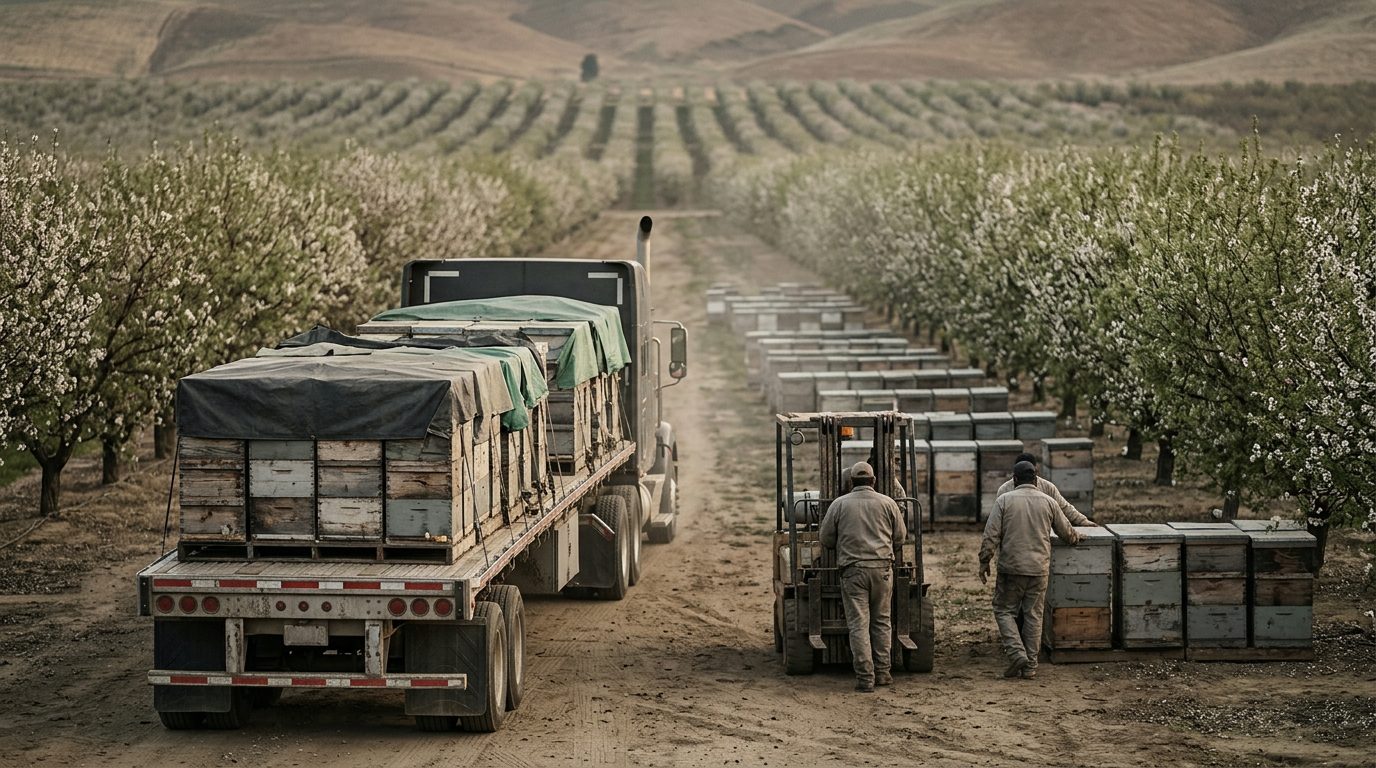
Commercial pollination has become a fully priced agricultural input, with beekeepers trucking hives across the country to keep almond and fruit crops fertile. This piece examines how pollinator decline is turning a once-free ecological service into a costly, logistically fragile business, and what happens to food production if it keeps eroding.

Mahathi Aguvaveedi·11 April 2026·7 min