Tuesday, 8 September 2026Subscribe

Understanding the forces shaping the world's food system.

Food Observatory is an independent publication covering the intersection of food, climate, agriculture, health, biodiversity, markets and public policy. We explain the events, trends and decisions shaping what the world grows, eats and values through evidence-based journalism, original analysis and data-driven reporting.

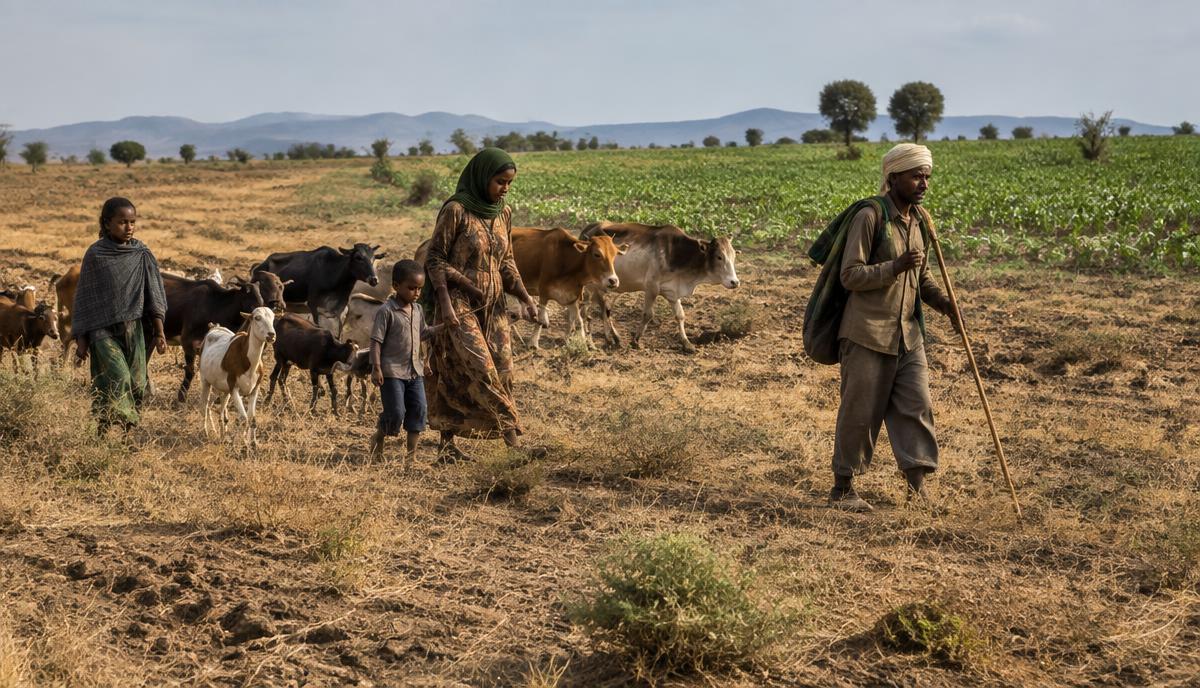
Why Extreme Heat Is Reshaping Global Food Production
Climate

Why Extreme Heat Is Reshaping Global Food Production

As temperatures repeatedly cross biological limits for crops, livestock and farm workers, extreme heat is emerging not as another climate risk—but as a force quietly rewriting where, how and even whether food can be produced.

By Editorial Desk·1 July 2026·8 min read
Featured

Editor's picks

What the Next Decade of Food Systems Will Look Like
Policy

What the Next Decade of Food Systems Will Look Like

Closing the series, this piece synthesizes where climate pressure, market concentration, shifting diets, and new technology are jointly pushing global food systems over the next ten years. Drawing on institutional forecasts rather than speculation, it argues the defining feature of the next decade will be regional divergence, not a single global trajectory.

Mahathi Aguvaveedi·7 September 2026·8 min
Alternative Proteins After the Hype
Innovation

Alternative Proteins After the Hype

Alternative protein companies raised billions on the promise of rapidly displacing conventional meat, then hit a wall of stalled sales, layoffs, and investor retreat. This piece looks past the hype cycle's collapse to what alternative proteins are actually achieving now, and where the technology still has a credible path forward.

Mahathi Aguvaveedi·5 September 2026·8 min
The Next Generation of Crop Breeding
Innovation

The Next Generation of Crop Breeding

Gene editing and computational breeding tools have collapsed the timeline for developing new crop varieties from decades to single growing seasons. This piece explains the science behind the new generation of crop breeding, the companies racing to commercialize it, and what faster breeding cycles could mean for climate-resilient agriculture.

Mahathi Aguvaveedi·3 September 2026·8 min
Precision Agriculture Is No Longer Experimental
Innovation

Precision Agriculture Is No Longer Experimental

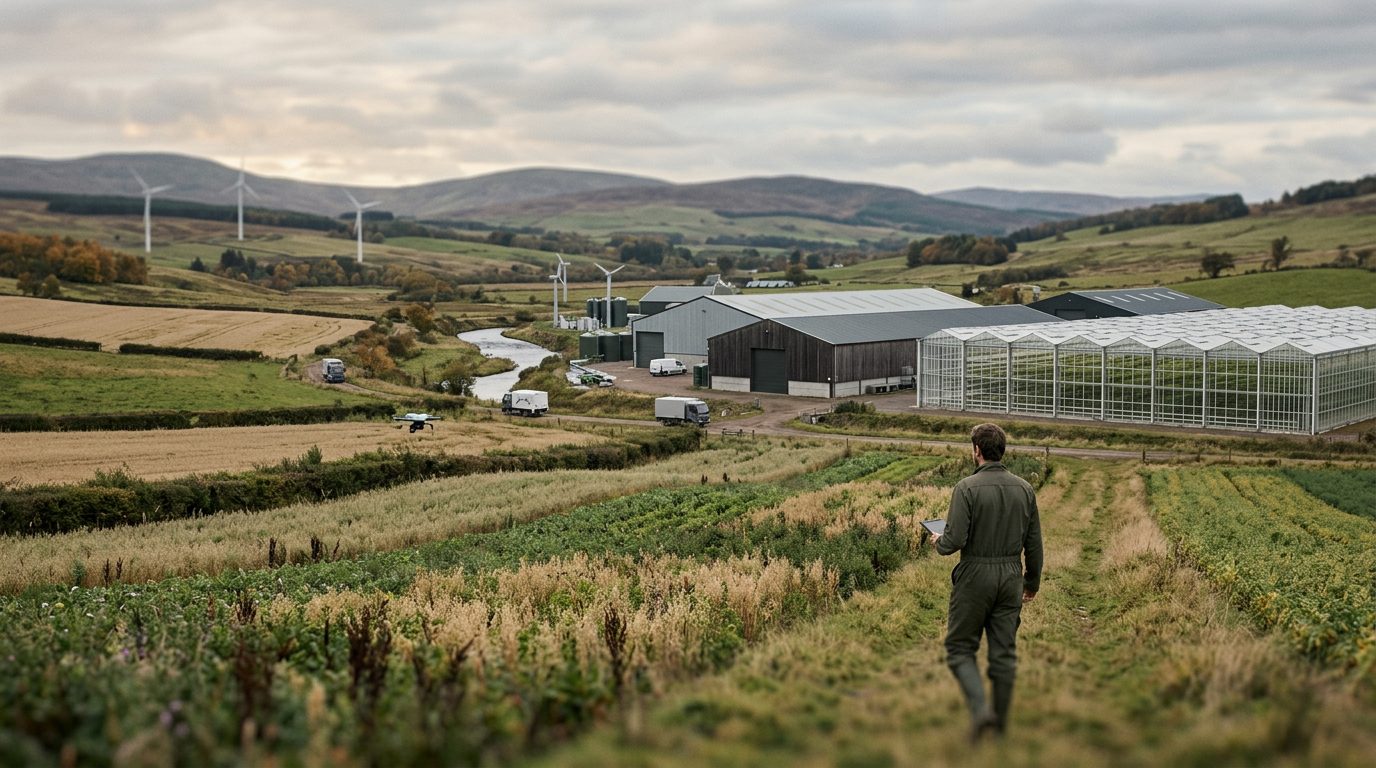
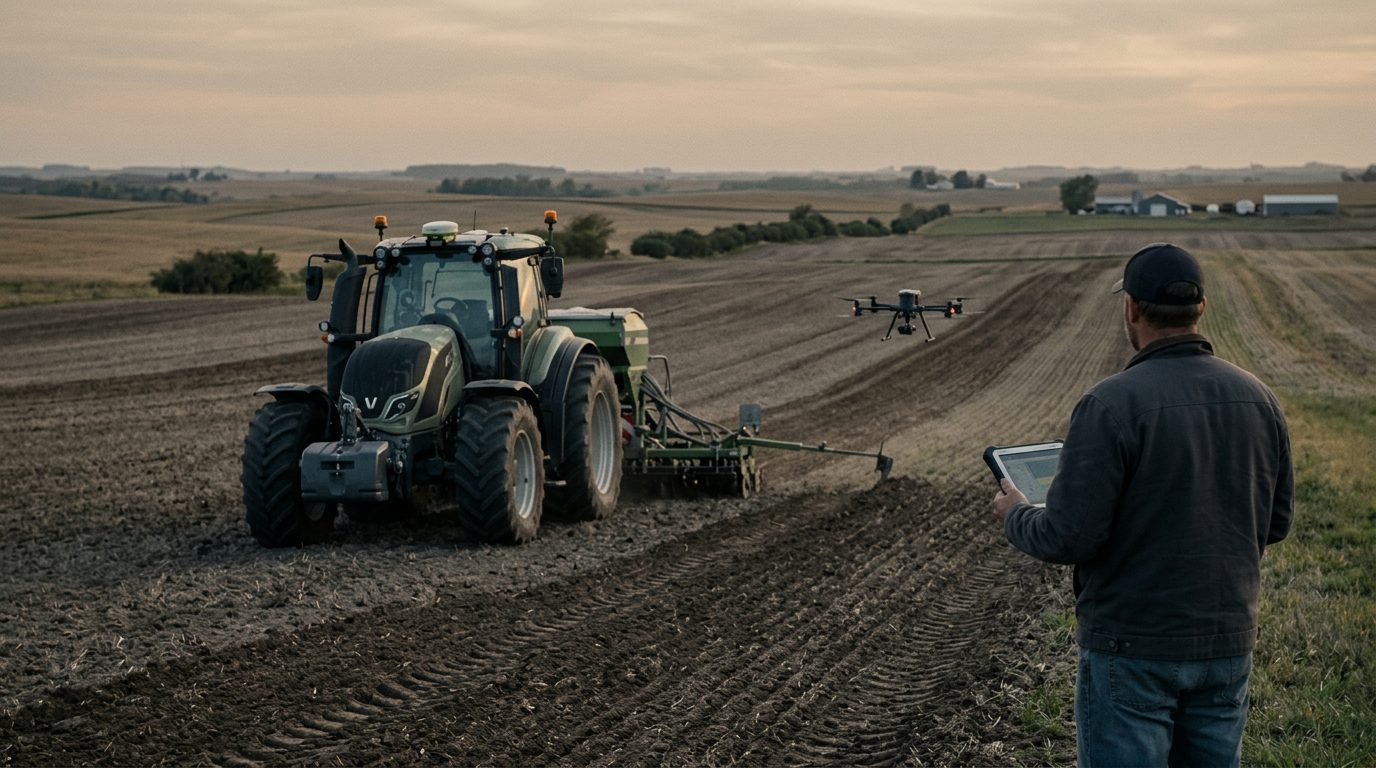
Precision agriculture's shift from experimental upgrade to default infrastructure is now measurable in USDA adoption data. This piece examines how far autonomous steering, variable-rate fertilizer application, and data-driven farm management have spread, and who is being left out as the productivity gap between technology adopters and everyone else widens.

Rico Rau·1 September 2026·9 min
Latest

The newsroom

All news →
Can Agriculture Become Nature Positive?
Agriculture

Can Agriculture Become Nature Positive?

A West Sussex estate that replaced unprofitable wheat and dairy operations with free-roaming cattle and returning turtle doves has become a conservation icon, but its model depends on taking land out of production altogether. This piece examines whether nature positive agriculture can scale to farms that still need to grow food.

Mahathi Aguvaveedi·30 August 2026·8 min
Farming's Data Revolution Has Arrived
Agriculture

Farming's Data Revolution Has Arrived

A single pass of a modern tractor now generates more field data than a decade of paper records once held. This piece traces how precision agriculture's data streams became a genuine ownership dispute, from a 2025 FTC settlement with Deere over right-to-repair to the unresolved question of who profits from a farm's own information.

Mahathi Aguvaveedi·26 August 2026·8 min
AI Is Quietly Transforming Agriculture
Innovation

AI Is Quietly Transforming Agriculture

Artificial intelligence has moved from agricultural conference buzzword to functioning infrastructure, cutting herbicide volumes across millions of acres of American farmland. This piece traces where AI is already reshaping planting, spraying, and harvest decisions, and where the technology's promises still outrun what it can reliably deliver.

Mahathi Aguvaveedi·25 August 2026·9 min
Why Soil Is Finally Becoming an Economic Asset
Agriculture

Why Soil Is Finally Becoming an Economic Asset

A DeKalb County, Illinois pilot priced farmland using soil health measurements rather than the comparable-sales method that has governed appraisal since the Dust Bowl. This piece traces the shift toward treating soil organic matter and biological activity as a financial asset, and what that means for how farmland gets valued and financed.

Henry Asplin·21 August 2026·7 min
Regenerative Agriculture Is Growing. Measuring It Remains Difficult.
Agriculture

Regenerative Agriculture Is Growing. Measuring It Remains Difficult.

PepsiCo, Cargill, General Mills, and Walmart have all attached specific acreage targets to regenerative agriculture commitments due by 2030. This piece examines the gap between acres enrolled and carbon actually verified, and why measurement, reporting, and verification science has become the real test of whether the movement delivers.

Mahathi Aguvaveedi·17 August 2026·9 min
Can Healthy Diets Also Be Climate Friendly?
Health

Can Healthy Diets Also Be Climate Friendly?

The Planetary Health Diet's 2025 update estimates it could prevent 15 million premature deaths a year while cutting agricultural emissions by more than half. This piece examines the evidence behind that claim, the backlash it has drawn from the meat industry, and how realistic a global dietary shift of that scale actually is.

Mahathi Aguvaveedi·12 August 2026·9 min
Analysis

Long-form

All analysis →
What the Next Decade of Food Systems Will Look Like
Policy

What the Next Decade of Food Systems Will Look Like

Closing the series, this piece synthesizes where climate pressure, market concentration, shifting diets, and new technology are jointly pushing global food systems over the next ten years. Drawing on institutional forecasts rather than speculation, it argues the defining feature of the next decade will be regional divergence, not a single global trajectory.

Mahathi Aguvaveedi·7 September 2026·8 min
Alternative Proteins After the Hype
Innovation

Alternative Proteins After the Hype

Alternative protein companies raised billions on the promise of rapidly displacing conventional meat, then hit a wall of stalled sales, layoffs, and investor retreat. This piece looks past the hype cycle's collapse to what alternative proteins are actually achieving now, and where the technology still has a credible path forward.

Mahathi Aguvaveedi·5 September 2026·8 min
Can Agriculture Become Nature Positive?
Agriculture

Can Agriculture Become Nature Positive?

A West Sussex estate that replaced unprofitable wheat and dairy operations with free-roaming cattle and returning turtle doves has become a conservation icon, but its model depends on taking land out of production altogether. This piece examines whether nature positive agriculture can scale to farms that still need to grow food.

Mahathi Aguvaveedi·30 August 2026·8 min
Newsletter

The Food Observatory Brief

Receive our weekly briefing on the most important developments in food systems, climate, agriculture and policy.

About

Why food systems matter

Food systems influence nearly every aspect of our lives — from the health of our soils and ecosystems to global trade, nutrition, public health and climate change.

Understanding food systems means understanding how environmental, economic and political forces interact to determine what food is produced, who has access to it and at what cost.

Food Observatory exists to connect these stories through independent journalism, rigorous analysis and accessible storytelling.