Drought tightens its grip on the Sahel
A third consecutive failed rainy season is pushing millions toward acute food insecurity.
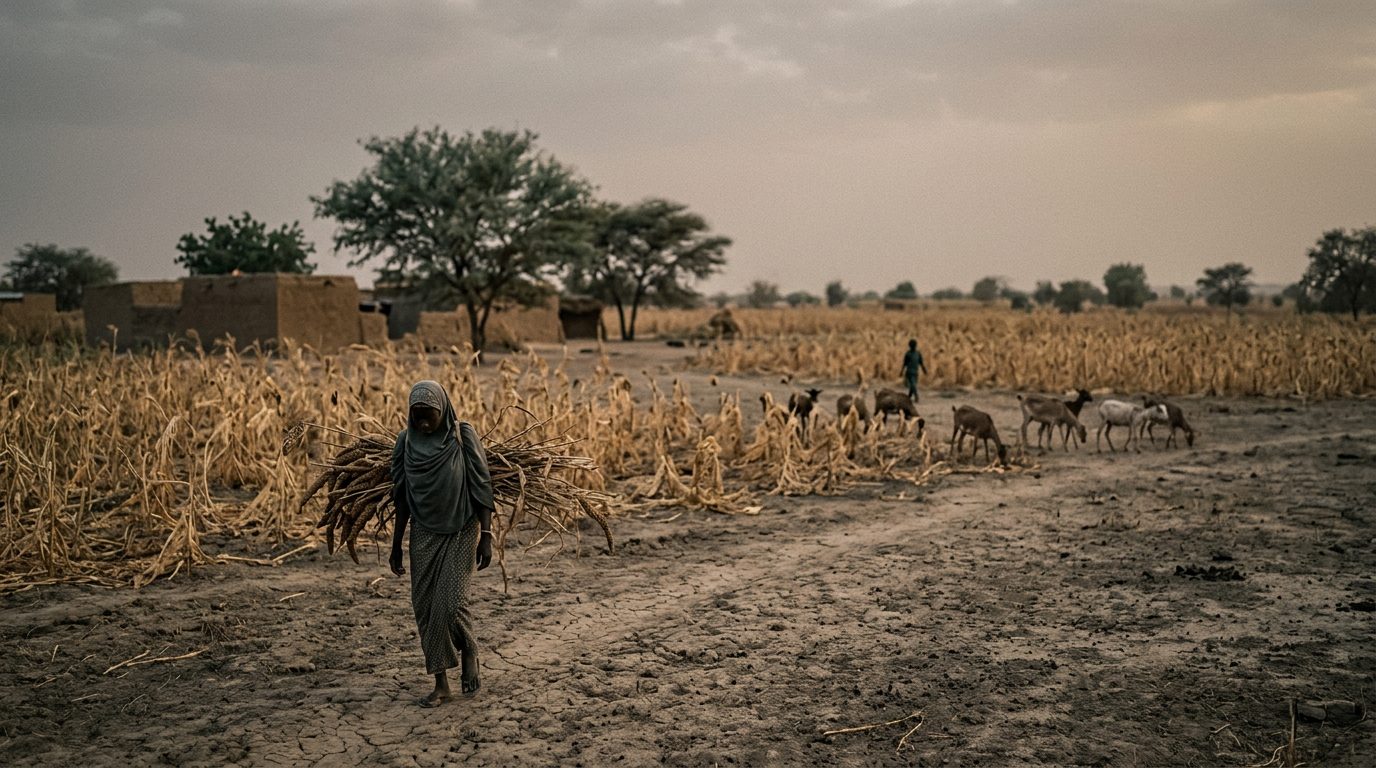
Across the Sahel, a third consecutive poor rainy season has produced what humanitarian officials are calling one of the most severe food crises of the decade.
Early-warning systems flagged the risk months ago, but funding shortfalls have limited the pre-positioning of aid. Now, with harvests confirmed to be far below average in parts of Mali, Burkina Faso and Niger, agencies are racing to prevent the crisis from tipping into famine.
Climate scientists point to a longer arc: rainfall variability in the region has increased markedly since the 1990s, and the periods between shocks are shortening.
The Food Observatory Brief
Weekly briefing on food systems, climate, agriculture and policy — straight to your inbox.
More on Climate
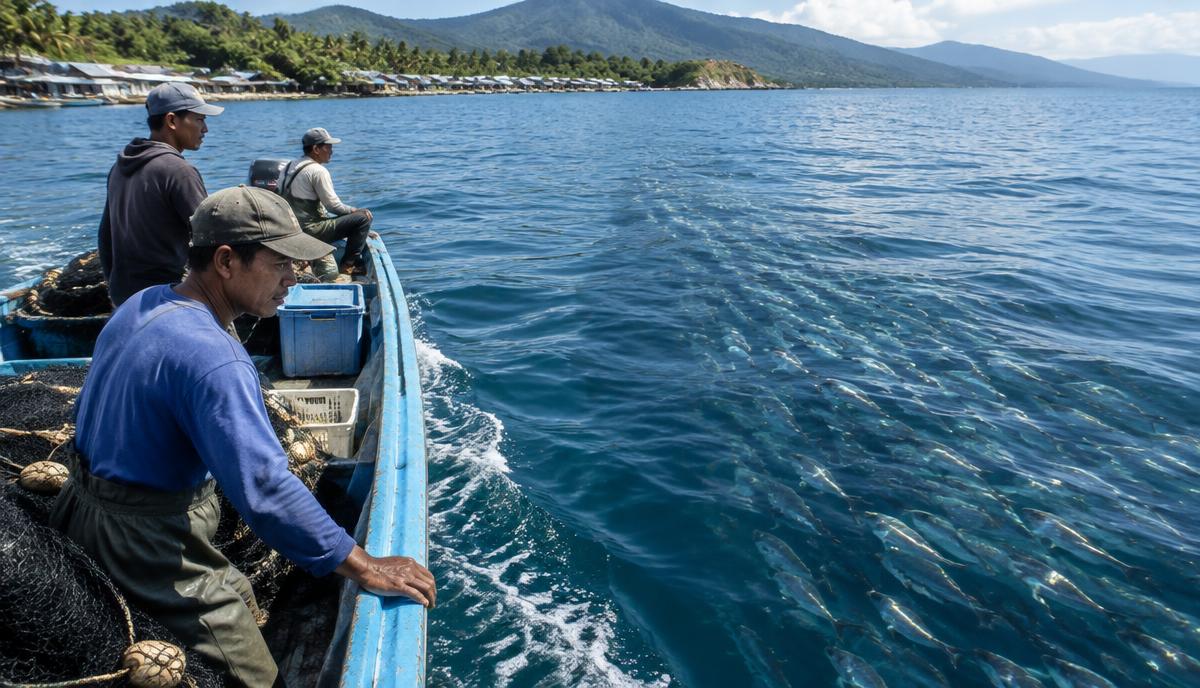
Warming Oceans Are Moving the World's Protein
Fish stocks are moving poleward and into deeper water as the oceans warm, while the countries that depend most on fish protein are often the least able to follow them. This piece argues that maritime boundaries, fisheries agreements and aquaculture investment have not caught up with moving fish.
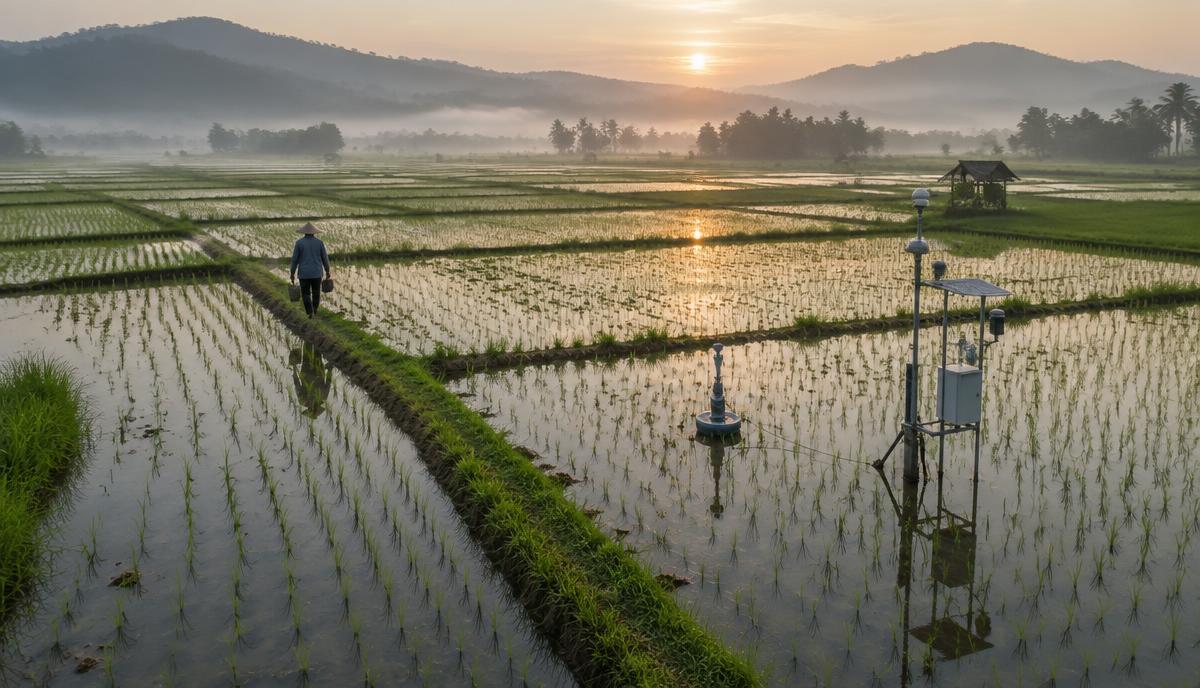
Rice Paddies and the Other Greenhouse Gas Problem
Flooded rice is a major source of human methane, and alternate wetting and drying or direct seeding can cut it while saving water. This piece uses the first payouts at Punjab Agricultural University to show why a known fix still struggles to scale, and what verification, contracts and policy would move adoption across South and Southeast Asia.