COP31 Will Talk About Food. Will It Change Anything?
COP31 inherits an unresolved agriculture negotiating track after COP30 collapsed in Belém without a text
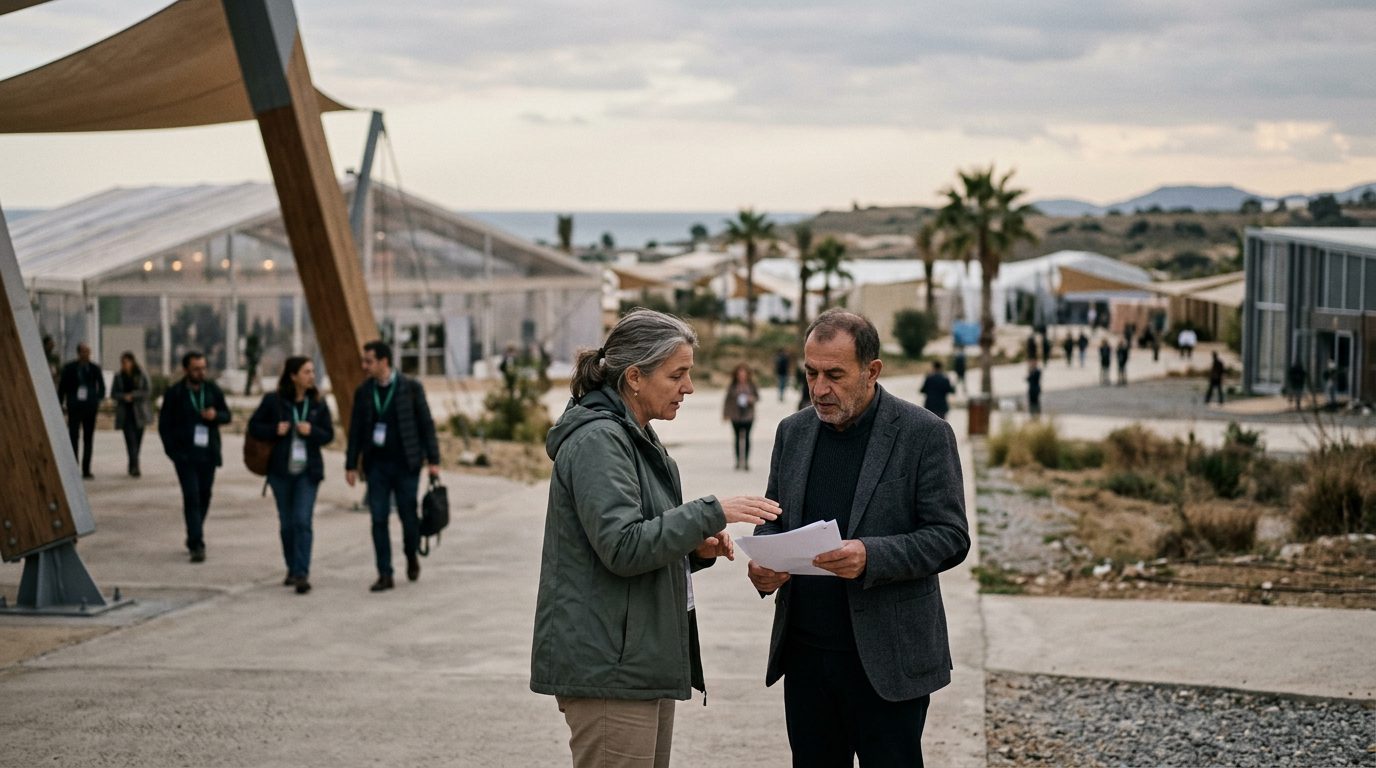
Every UN climate summit since 2023 has found a new way to say the same thing about agriculture: that it matters, that it is dangerously underfunded, and that something must finally be done. COP28 produced a declaration. COP29 produced an initiative. COP30 produced neither, because the formal negotiating track on agriculture collapsed in Belém this past November without a text, its unresolved draft punted to a technical meeting in Bonn next June. COP31, opening in Antalya, Turkey, in November 2026 under an unusual split leadership between the host government and Australia, inherits that unfinished business at a moment when the pattern is hard to miss. The declarations get grander, the funding gap gets wider, and agriculture, a sector responsible for roughly a third of global greenhouse gas emissions, still has no binding target anywhere in the UN climate architecture.
A Presidency Divided Is Not a Presidency Focused
Türkiye will host and formally preside over COP31. Australia, after conceding its own hosting bid in November 2025 rather than let Pacific island demands for a genuine "Pacific COP" deadlock the Western Europe and Others regional group indefinitely, was folded into the arrangement as the country steering the negotiations, according to the joint statement issued by Foreign Minister Penny Wong's office and Prime Minister Anthony Albanese. It is a novel structure, and its center of gravity points toward energy diplomacy rather than agriculture. The Antalya presidency's own ten-point action agenda, unveiled this year under the banner of a "COP of the future," lists food security as one item among ten, alongside clean energy transition and electrification, zero waste and methane reduction, climate-resilient cities, green industrial transformation, ocean protection and climate-resilient health systems. Nothing in that framing suggests food systems will command the kind of dedicated diplomatic push that Dubai and Baku each spent on it. A presidency's founding document that treats food as one-tenth of a broader modernization pitch is not evidence of a genuine reckoning with agriculture's place in the climate fight. It is evidence of a slot being filled because prior COPs set the expectation that one must exist.
What Actually Broke in Belém
The collapse at COP30 was not a quiet fizzle. The Sharm el-Sheikh joint work on agriculture and food security, the only standing UN process meant to translate three decades of talk into an actual work program, stalled out entirely after little more than a week of negotiation. A draft text released on November 13 still carried 23 bracketed, unagreed passages spanning agroecology, precision agriculture, artificial intelligence and carbon markets, according to reporting from Carbon Brief. Argentina, the African Group and the least-developed countries pushed to anchor the text in finance, specifically language tied to Article 9.1 of the Paris Agreement obligating developed countries to provide support. The European Union resisted that framing. Teresa Anderson of ActionAid International put the breakdown bluntly: "Australia and others pushed for dodgy language. Countries weren't able to agree because there was just too much new nonsense in there." The talks were suspended rather than concluded, with the substantive work deferred to the June 2026 mid-year negotiating session in Bonn, a full year after the process was supposed to deliver something durable.
Three Summits, One Diminishing Return
Line up the last three years and the trajectory is unmistakable, and it runs the wrong way. COP28 in Dubai produced the Emirates Declaration on Sustainable Agriculture, Resilient Food Systems and Climate Action, eventually signed by roughly 160 countries pledging that any credible path to the Paris Agreement's goals must include food systems. It carried no enforcement mechanism and no funding attached. COP29 in Baku followed with the Baku Harmoniya Climate Initiative for Farmers, developed with the FAO and framed as a platform to consolidate existing agricultural climate programs rather than create new obligations. Then COP30 delivered not a new declaration on agriculture proper but its own downgrade: a voluntary Belém Declaration on Hunger, Poverty and People-Centered Climate Action, adopted by 43 countries and the EU, alongside the outright failure of the binding-adjacent SJWA process. Each summit has produced softer, more voluntary instruments than the one before it, even as the underlying diagnosis of the problem, chronically underfunded farmers facing an increasingly hostile climate, has stayed exactly the same. That is the opposite of the trajectory food systems advocates were hoping for when Dubai first put agriculture on the main stage.
The Financing Gap COP31 Cannot Talk Around
The numbers explain why patience is running out. A landmark FAO analysis released around COP30 found that agrifood systems account for 54 percent of the adaptation financing needs identified by developing countries, yet receive only 20 percent of adaptation funds actually disbursed, a figure that amounts to roughly 1 percent of global climate finance overall. Of the adaptation measures that do get funded, only 16 percent directly address documented climate impacts, and just 14 percent target the smallholder farmers, women, Indigenous communities and youth who are most exposed. "Countries know agrifood systems are the first line of defense against climate extremes, but they're still not getting the support they need," said Kaveh Zahedi, FAO's director of climate change. Speaking ahead of COP31 at the Istanbul International Water Forum, Viorel Gutu, FAO's assistant director-general for Europe and Central Asia, sharpened the case for Türkiye specifically: agriculture consumes 70 percent of global freshwater withdrawals at a fraction of the efficiency of industry or services, generates close to 30 percent of global emissions, and faces an annual financing shortfall Gutu put at $1.3 trillion. Numbers of that scale do not close through another voluntary platform. They close through the kind of binding finance commitments that developed countries have resisted attaching to agriculture at every COP so far.
Who Is Actually in the Room
Part of why the money keeps not showing up is who shows up instead. More than 300 industrial agriculture lobbyists were credentialed at COP30 in Belém, a figure that alarmed civil society groups tracking corporate influence over the talks. That pattern was already visible at Baku, where the Baku Harmoniya Initiative drew sharp criticism from Pesticide Action Network Asia Pacific and allied farmer organizations even as it launched. PANAP's Arnold Padilla argued the initiative would "guide corporate investors where to bring their money, not to make the most meaningful climate impacts but to make more money," and flagged the World Bank's central role in the initiative's design as a particular concern given the bank's history of financing conditions that have hurt smallholders. MASIPAG's Rowena Buena went further, calling it one more addition to "countless initiatives" that distract from the agroecology and food sovereignty approaches farmer movements actually want funded. There is no sign heading into Antalya that this balance of access shifts. A presidency built around a ten-point industrial modernization agenda, paired with a co-negotiating country that Anderson accused of pushing weak agriculture language at COP30, is not obviously the combination that reins in corporate influence over the food and agriculture agenda.
Bonn Will Decide Before Antalya Does
The most important fact about food systems diplomacy in 2026 is one most coverage of COP31 will skip past: the fate of the Sharm el-Sheikh joint work gets decided not in Antalya in November but in Bonn in June, at the mid-year subsidiary body session known as SB64. That gives negotiators barely six months to resolve disputes over finance language and technology framing that a full week in Belém could not settle. If Bonn produces another deadlock, COP31 opens with agriculture negotiators having failed twice in a row on the one process capable of generating something more durable than a signed statement, and the Antalya presidency's ten-point agenda offers no obvious mechanism to rescue it. If Bonn succeeds, COP31 becomes the venue for adopting and funding whatever compromise emerges, which is a meaningfully different and more consequential role than hosting another round of pledges.
What Would Actually Count as Progress
Real progress at COP31 has a specific, checkable shape, and it is worth naming precisely because so much of what has passed for agricultural climate diplomacy since Dubai has not met it. It looks like countries incorporating quantified, verifiable agricultural emissions and adaptation targets into their nationally determined contributions rather than leaving food systems as a footnote, as most NDCs currently do. It looks like a finance decision at COP31 that closes measurable ground on the gap FAO has documented, tracked disbursements against the 54 percent of adaptation need agrifood systems represent, not another pledge of aspirational billions with no delivery timeline. It looks like the Sharm el-Sheikh process concluding with agreed, operational text rather than another year of brackets. Anything short of that, another voluntary declaration, another farmer-branded initiative built around existing programs, another day devoted to food on the summit calendar without money or obligation attached, is the same symbolic gesture COP28 and COP29 already made, dressed in new host-country branding. Given the trajectory from Dubai to Baku to Belém, and given a presidency structure built around energy and industrial priorities rather than agriculture, the honest expectation for Antalya is more of the latter than the former. The next real test of whether that changes comes in Bonn in June, and it will already be over before most people are paying attention to Antalya at all.
Sources: Carbon Brief, "COP30: Key outcomes for food, forests, land and nature at the UN climate talks in Belém"; Carbon Brief, "Cropped 19 November 2025: COP30 edition"; CGIAR, "Progress slows on Sharm el-Sheikh Joint Work"; FAO, "COP30: Landmark report finds countries' climate agrifood ambitions undermined by funding gaps"; FAO, "FAO at COP29: Calling for investment in agrifood systems to tackle the climate crisis"; Daily Sabah, "COP31 offers key opportunity to address agri-food systems: FAO"; Al Jazeera, "Türkiye to host COP31 climate summit after Australia concedes bid"; Australian Minister for Foreign Affairs (Penny Wong), "COP to be hosted by Türkiye with Australia leading negotiations"; Inside Climate News, "Agriculture and Food Get Their Day, Again, at the Annual UN Climate Summit"; Pesticide Action Network Asia Pacific, "COP29 Baku Harmoniya, initiative for corporations, not farmers"; Down To Earth, "Türkiye Unveils 'COP of the Future' Vision for COP31 With New Türkiye-Australia Climate Partnership Model"; The Climate Watch, "COP31: Antalya summit to test climate promises, finance and just transition"
The Food Observatory Brief
Weekly briefing on food systems, climate, agriculture and policy — straight to your inbox.
More on Policy
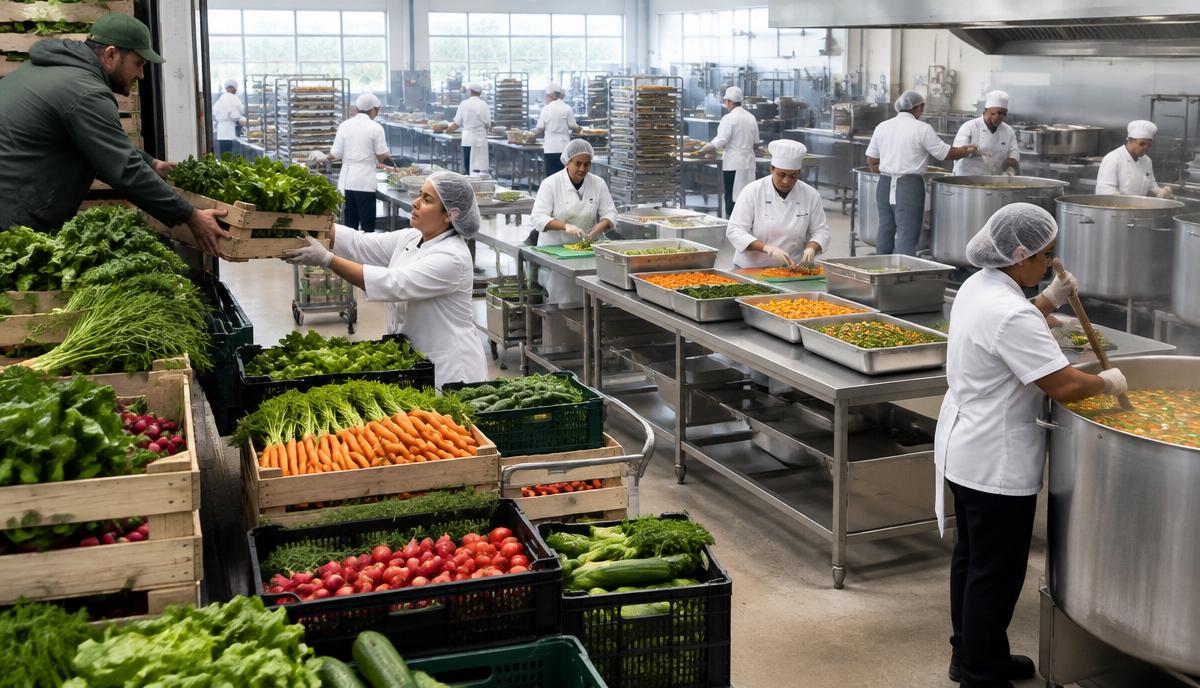
Governments Buy Billions of Meals a Year. Is That Food Policy?
Public procurement is a food policy lever most governments already hold and rarely use deliberately for health, local farmers or climate. This piece looks at Brazil, Copenhagen, US city programmes and India's public distribution system, and at the tender rules that decide what actually gets bought.
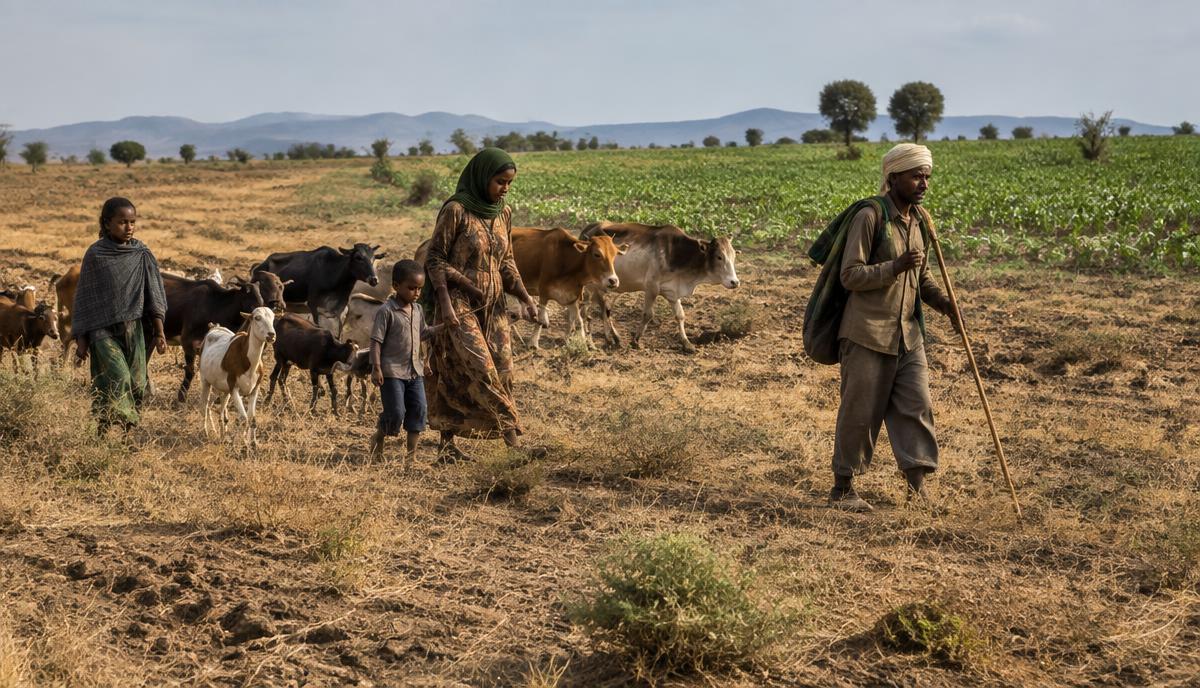
Desertification Is a Food Security Story
Land degradation affects up to 40 percent of the planet's land and drives yield loss, migration and conflict. This piece reads the outcomes of UNCCD COP17 in Ulaanbaatar as food policy, looks at where restoration pledges outrun finance, and argues that restoring land is the cheapest food security investment available.
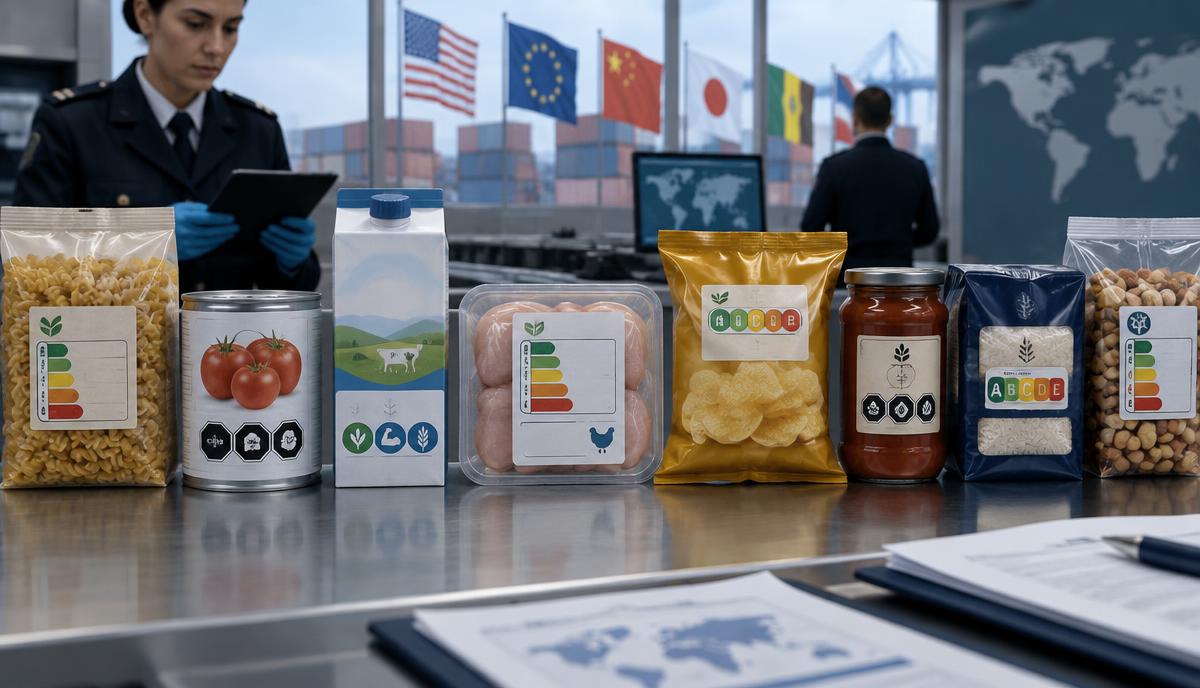
Front-of-Pack Labels Are Becoming a Trade Fight
Warning labels, traffic lights and Nutri-Score are spreading, and food exporters now challenge them in trade bodies. This piece argues that the label is the visible edge of a larger fight over whose evidence and whose interests decide diets, with a look at India's court-driven debate.