Vertical farms promised a revolution. What comes next?
After a wave of high-profile failures, the sector is quietly rethinking what it can — and cannot — do.
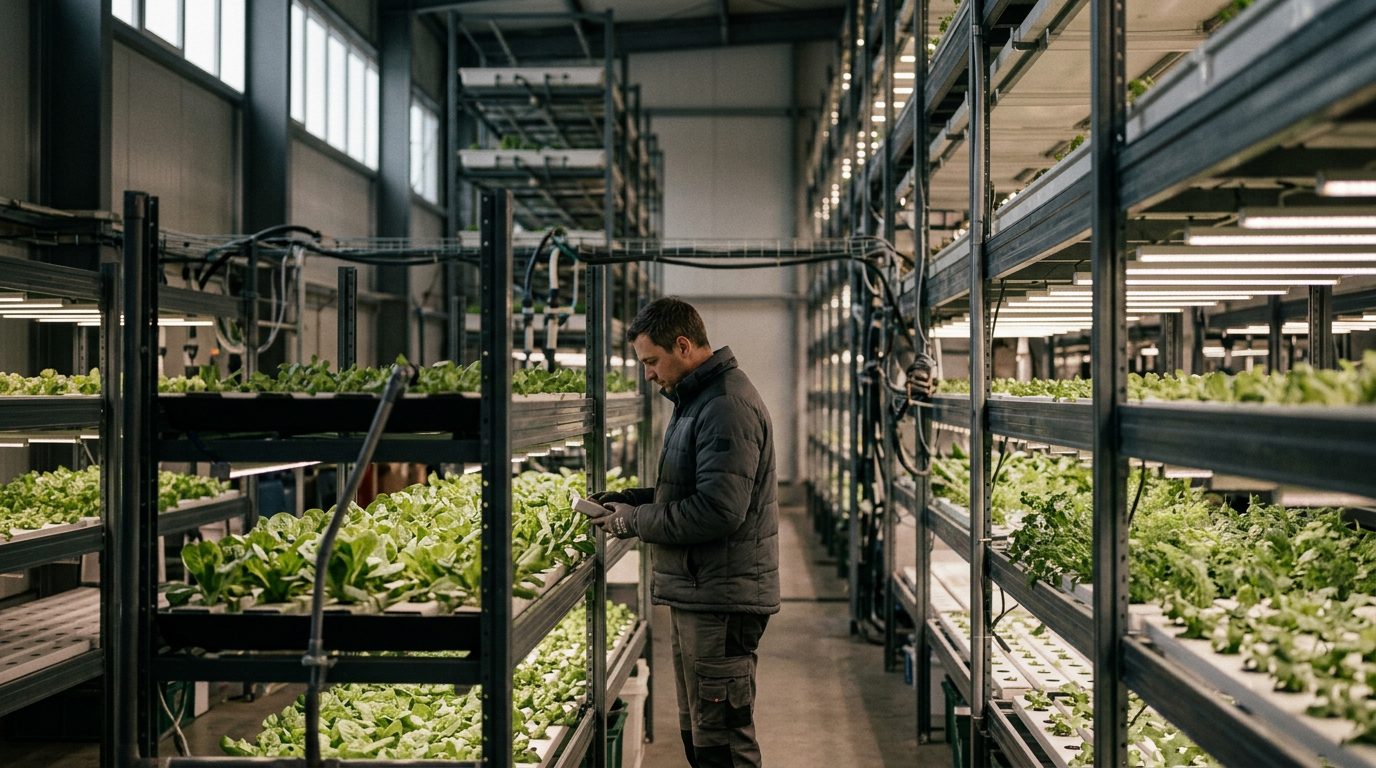
The past two years have been humbling for vertical farming. A wave of high-profile bankruptcies and downsizings has forced the sector to confront harder questions about what it can realistically produce, at what cost, and for whom.
Proponents argue the technology still has a role to play — particularly for leafy greens, herbs and specialty crops close to urban markets. Sceptics counter that the energy footprint remains the sector's central unresolved problem.
The Food Observatory Brief
Weekly briefing on food systems, climate, agriculture and policy — straight to your inbox.
More on Innovation
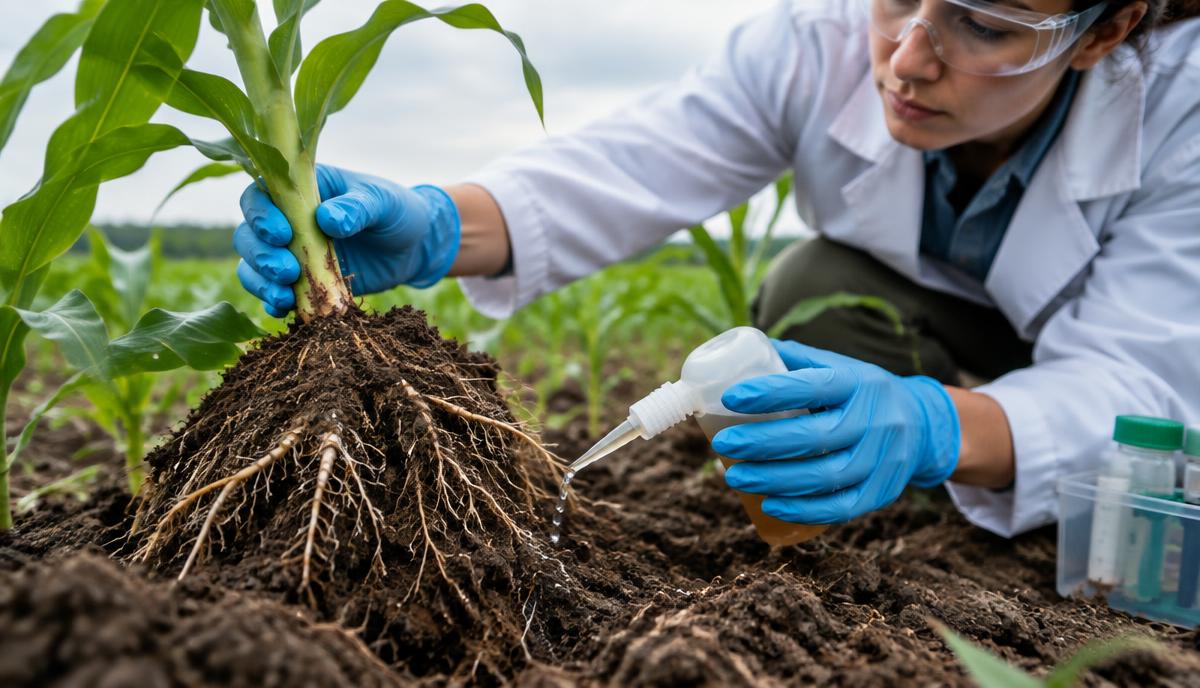
Biologicals and the Quest for Less Nitrogen Fertilizer
Microbial products sold as ways to cut synthetic fertilizer have strong commercial pull because of price volatility and nitrous oxide targets. This piece looks at independent trial evidence, India's nano urea experience and regulatory gaps to set out which claims farmers can reasonably trust.
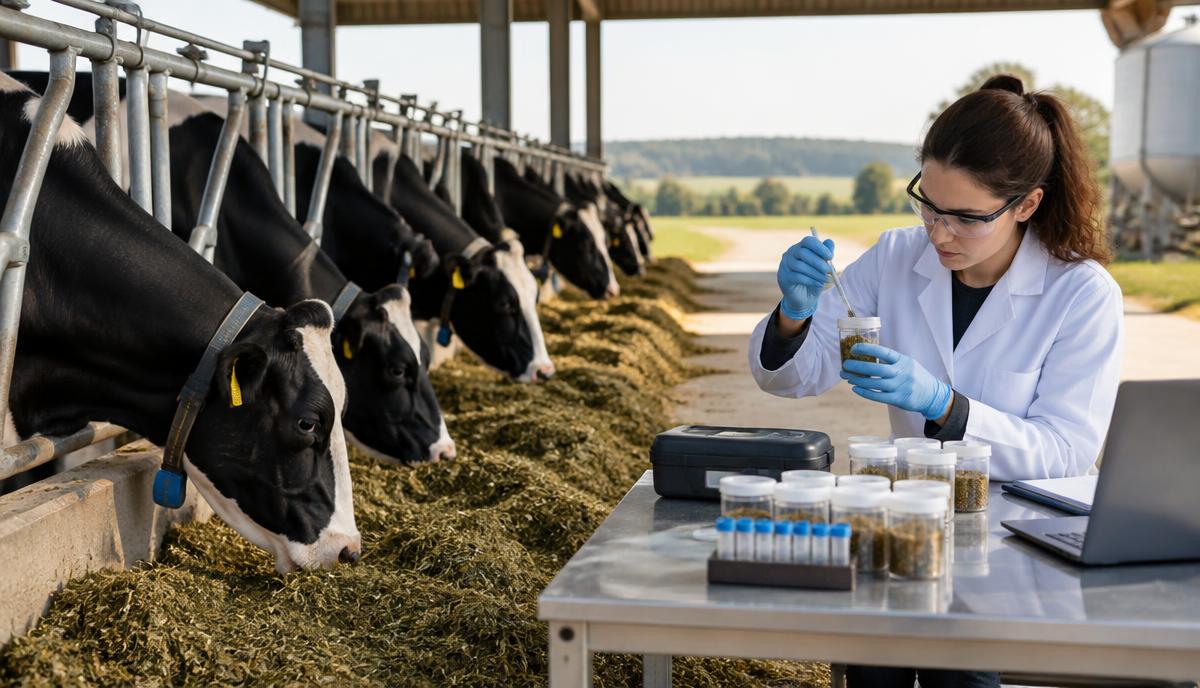
The Race to Cut Cattle Methane With Feed Additives
Methane inhibitors and seaweed additives promise large cuts in cattle emissions. This piece explains why the technology works in feedlots and dairies but struggles with grazing herds where most emissions sit, and why cost, consumer reaction and who pays are the real bottlenecks.
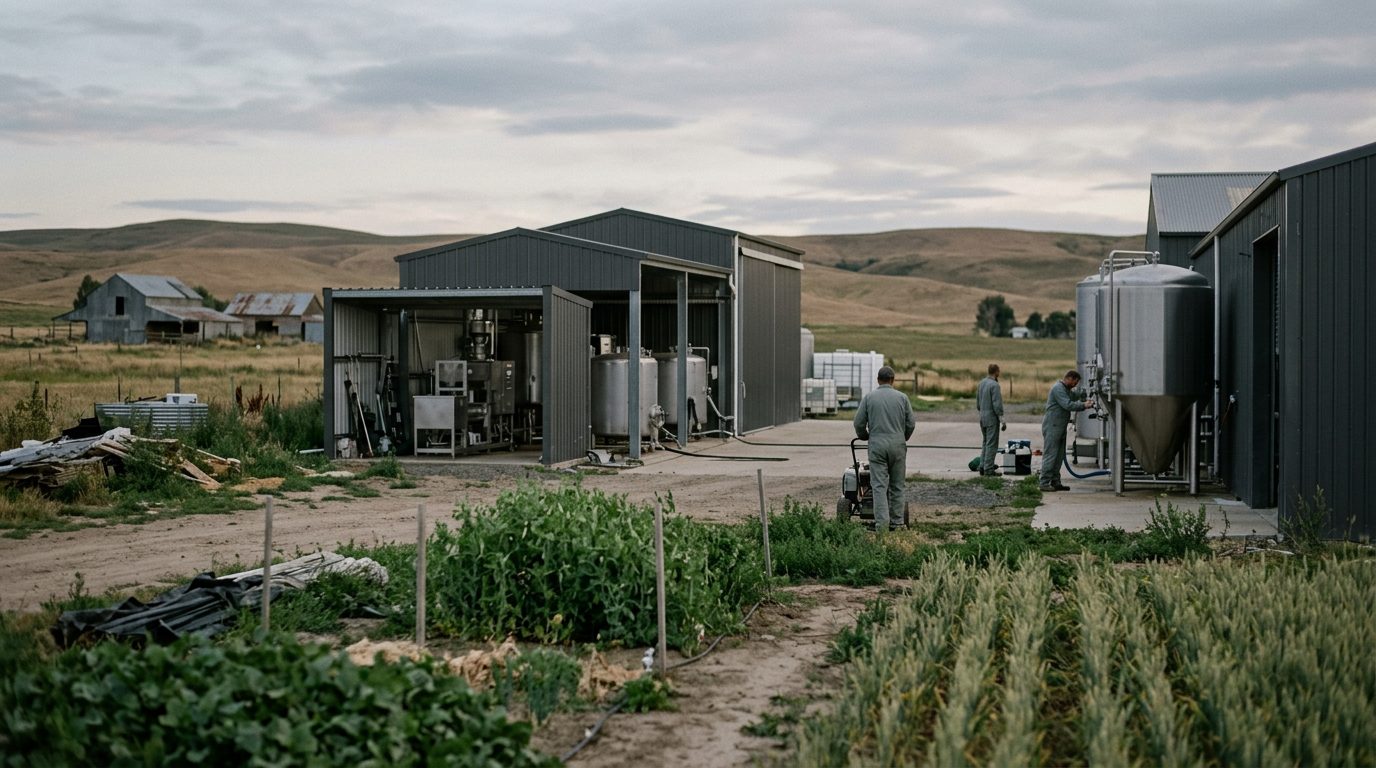
Alternative Proteins After the Hype
Alternative protein companies raised billions on the promise of rapidly displacing conventional meat, then hit a wall of stalled sales, layoffs, and investor retreat. This piece looks past the hype cycle's collapse to what alternative proteins are actually achieving now, and where the technology still has a credible path forward.